

News
16
Apr
A Profitability Analysis of the Coffee Machine Market in the United States
The United States coffee machine market represents a robust and dynamic segment within the broader small appliance industry. Driven by a deeply ingrained coffee culture and continuous technological innovation, the market offers significant profit potential for manufacturers, retailers, and operators. This article provides a detailed analysis of the profitability landscape for coffee machines in the U.S., examining market size, revenue drivers, cost structures, and the impact of emerging technologies.
Market Size and Growth Trajectory
The U.S. coffee machine market is not only mature but also expanding steadily. In 2024, the broader coffee and tea manufacturing industry in the U.S. generated approximately $15.2 billion in sales, underscoring the sheer scale of the
coffee economy . More specifically, the global coffee machines market was valued at $12.41 billion in 2025, with North America holding a significant 27% share of that market . This positions the U.S. as one of the largest and most influential markets globally.
Growth forecasts remain positive, driven by several key factors. The U.S. market for coffee makers has shown a strong compound annual growth rate (CAGR) of 5.82% from 2020 to 2024, with an impressive 20.36% surge between 2023 and 2024 alone . This momentum is expected to continue, with the global market projected to grow from $13.01 billion in 2026 to $19.06 billion by 2034, at a CAGR of 4.88% . This growth is fueled by the increasing trend of at-home coffee consumption, a desire for convenience, and the premiumization of coffee experiences.
Key Profit Drivers and Revenue Streams
Profitability in the coffee machine sector is driven by a combination of consumer behavior and strategic business models.
The Shift to Premium Home Brewing
One of the most significant profit drivers is the consumer shift towards high-quality, café-style coffee at home. The rise of remote and hybrid work models has accelerated this trend, as consumers invest in premium equipment to replicate the café experience . This has led to strong demand for high-margin products like super-automatic espresso machines, grinders, and other specialty accessories. For companies like Breville, coffee machines and their accompanying premium accessories have become the primary growth engine, demonstrating that consumers are willing to pay a premium for quality and convenience .
High-Margin Vending and Unattended Retail
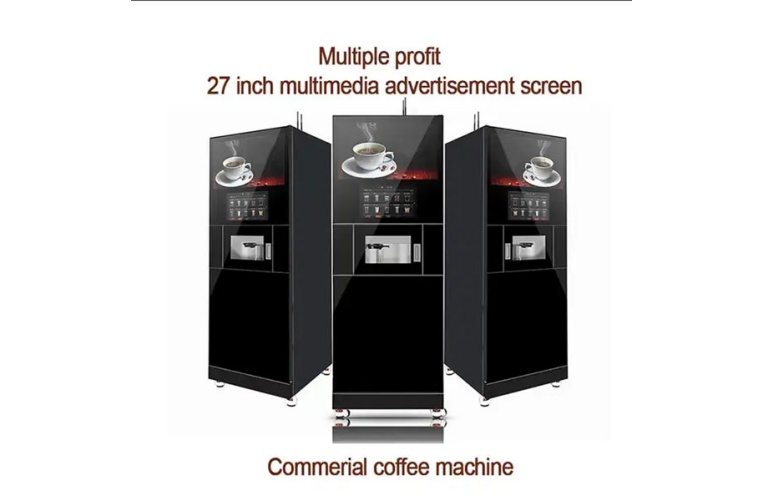
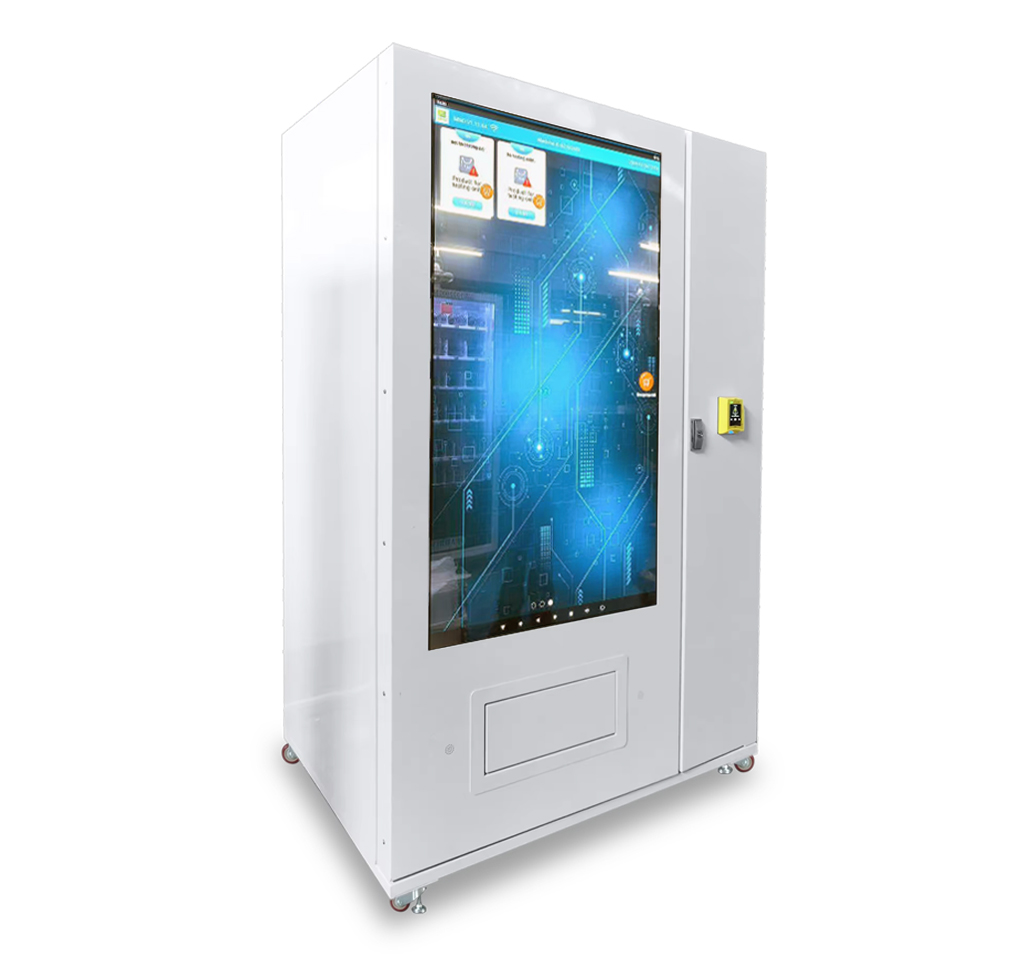
Beyond the consumer home market, coffee vending machines and unattended retail solutions present a highly profitable avenue. This business model offers substantial gross margins, primarily because it eliminates the two largest costs of a traditional café: labor and real estate.
Traditional Vending: A standard coffee vending machine has a gross margin of 50% to 70% per cup. With a consumable cost of $0.25 to $0.60 per cup and a typical vend price of $1.00 to $2.50, operators can see a healthy return on investment (ROI), often recouping their initial investment within 12 to 18 months .
AI and Robotic Vending: The latest evolution in this space involves AI-powered robotic coffee kiosks. These machines, which operate 24/7, can achieve even higher gross margins of 70% to 85%+ by charging premium prices ($3.50–$4.50+ per cup) for barista-quality beverages. A single well-placed robotic kiosk in a high-traffic area like an airport or office park can generate a net profit of $3,000 to $4,000+ per month .
The Cost Structure and Profitability Challenges
While the revenue potential is high, managing the cost structure is critical to achieving profitability.
Manufacturing and Supply Chain Management
For manufacturers, the biggest challenge in recent years has been managing supply chain costs, particularly in relation to U.S. tariffs on Chinese goods. Many companies have historically relied on Chinese manufacturing, but shifting trade policies have forced a strategic pivot.
A successful case study is Breville, which actively diversified its production away from China. By moving manufacturing to Southeast Asia and Mexico, the company reduced its exposure to tariffs. As of June 2025, 65% of its U.S. gross profit came from products made outside of China, up from just 15% at the start of the program. This strategic move, despite incurring one-off transition costs, allowed the company to protect its margins and achieve nearly 15% net profit growth
Operational Expenses for Vending Operators
For vending machine operators, the primary costs are the machine itself, location commission, ingredients, and maintenance.
Initial Investment: Entry-level vending machines cost between $2,000 and $4,000, while high-quality bean-to-cup or robotic models can range from $7,000 to over $15,000 .
Product Costs (COGS): The cost of goods sold (COGS) per cup is relatively low, typically between $0.80 and $1.50 for premium drinks, which is the key to achieving the high gross margins mentioned earlier .
Maintenance: Scheduled servicing is a non-negotiable operating expense. Regular maintenance ensures consistent quality, minimizes machine downtime, and prolongs the life of the equipment, directly impacting long-term profitability
The Impact of Technology on Profit Margins
Technology is the single greatest lever for improving profitability in this market.
Automation Cuts Labor Costs: AI-powered robotic coffee machines represent a paradigm shift. By eliminating the need for a barista, these machines turn a traditionally labor-intensive service into a passive, highly scalable income stream. The initial higher purchase cost is rapidly offset by the elimination of ongoing wages and shift scheduling .
Smart Features Drive Premium Pricing: For consumer machines, technology such as IoT connectivity, app control, and precision brewing profiles allows manufacturers to command higher price points. Products with these "smart" features are positioned as premium goods, leading to higher per-unit profits .
Cashless Payments Increase Sales: For vending operators, upgrading machines to accept credit cards and mobile payments is no longer optional. With 47% of vending purchases being cashless, modern payment systems are essential for capturing all potential sales and boosting revenue .
Conclusion and Future Outlook
The profitability of coffee machines in the United States is robust and sustainable. Success, however, depends on the business segment.
For Manufacturers: The path to profit lies in product innovation (smart, automatic machines), brand building in the premium segment, and creating a resilient, diversified supply chain to mitigate geopolitical risks .
For Operators (Vending/Robotics): The key is location, technology, and automation. High-traffic sites coupled with AI-driven, 24/7 robotic kiosks offer the most attractive profit margins by slashing labor costs and enabling premium pricing .
The market is expected to continue its steady growth, driven by America’s unyielding demand for convenient, high-quality coffee. As technology continues to evolve—particularly in automation and smart connectivity—the opportunities for generating profit in the coffee machine market will only expand. The companies and entrepreneurs who succeed will be those who leverage technology to enhance quality while aggressively managing their cost base.
If you are interested in coffee machine, please contact us
Contact Us
📞 Phone/WhatsApp: +86 132 1355 7186
📧 Email: sales@buysmartlocker.co
Our Contact
Minno Furtniture
Customize smart storage lockers,parcel delivery lockers, key management cabinet,Vending machines,Office/School and home furniture.
-
Call For Inquiry
-
Send Us Email
sales@buysmartlocker.com
Need Help For Project!
We are ready to help your next projects, let’s work together
 WhatsApp
 sales@buysmartlocker.com
 +8613213557186