

News
26
Jun
AI Smart Fridge Vending Machines to Become a Revolutionary Trend
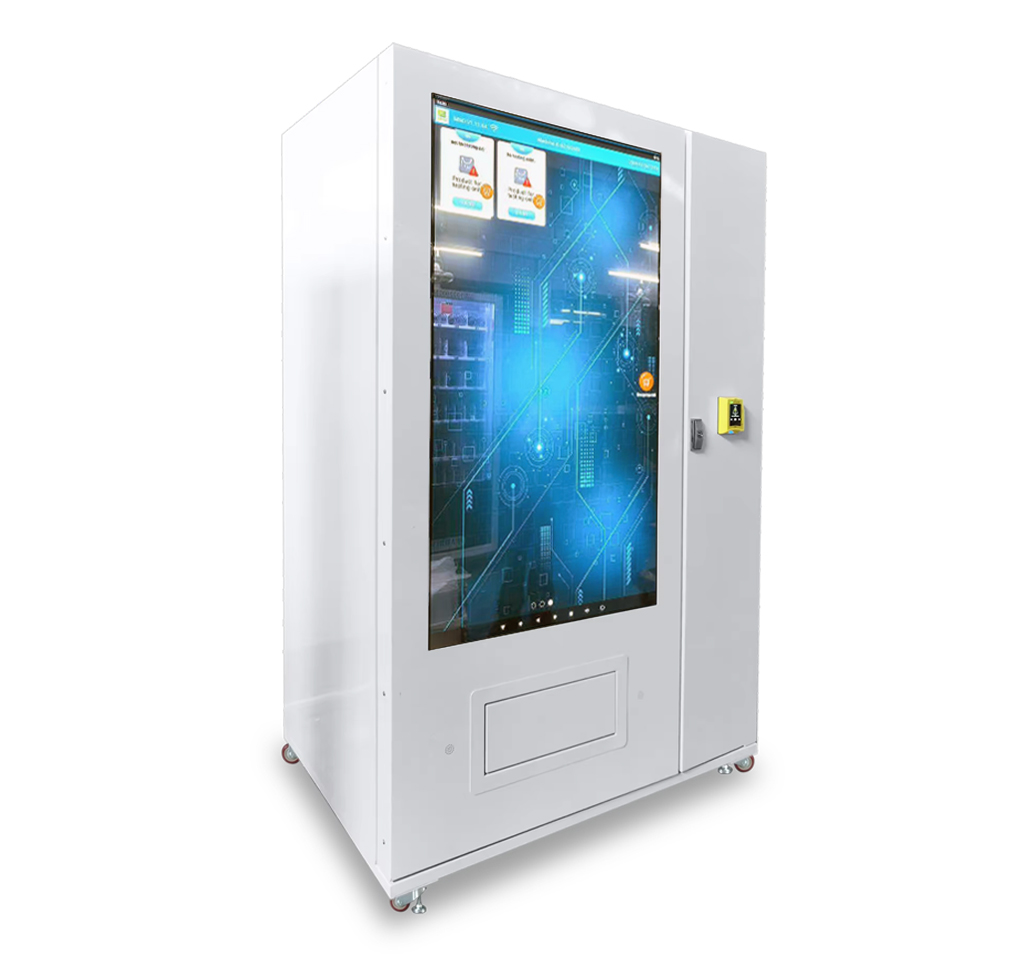
In 2026, AI vision vending machines are poised to revolutionize the retail and automated service industries. These next-generation machines are set to offer a transformative experience compared to traditional vending machines, providing a range of benefits that will reshape how consumers interact with vending services, while simultaneously addressing operational and maintenance challenges.
The Traditional Vending Machine: A Legacy in Need of Innovation
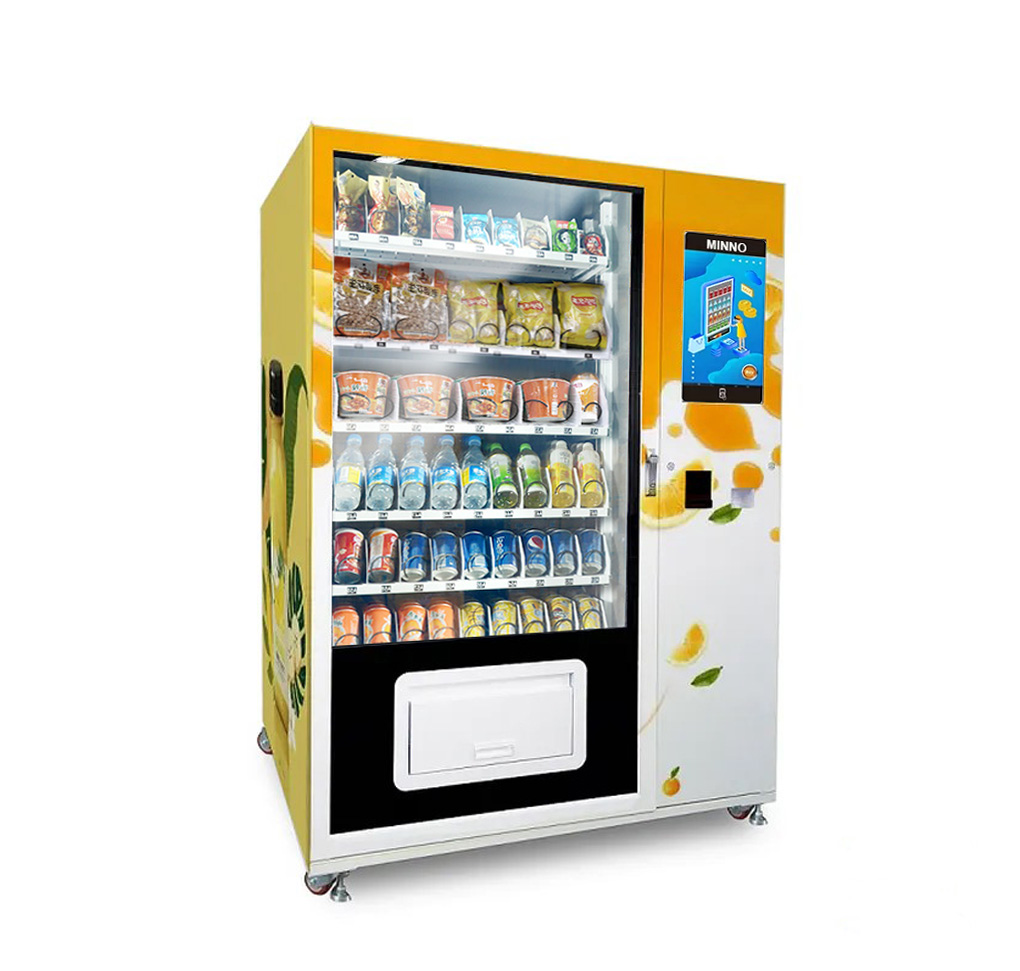
For decades, traditional vending machines have been a ubiquitous part of public spaces, offering snacks, beverages, and other goods at the push of a button. These machines rely on mechanical systems, which include motors, gears, and levers to deliver items, and sensors to detect coin or card payments. While they are relatively straightforward, their reliance on physical components makes them prone to mechanical failure and costly maintenance. For instance, motors can burn out, moving parts can break, and sensors can become misaligned, leading to frequent downtime and expensive repair costs.
The overall user experience with traditional vending machines can also be frustrating, especially if the machine jams or if customers are unable to select the desired product. Despite these issues, vending machines have persisted largely due to convenience, but the need for more efficient, cost-effective, and user-friendly solutions has never been more apparent.
The Rise of AI Vision Vending Machines
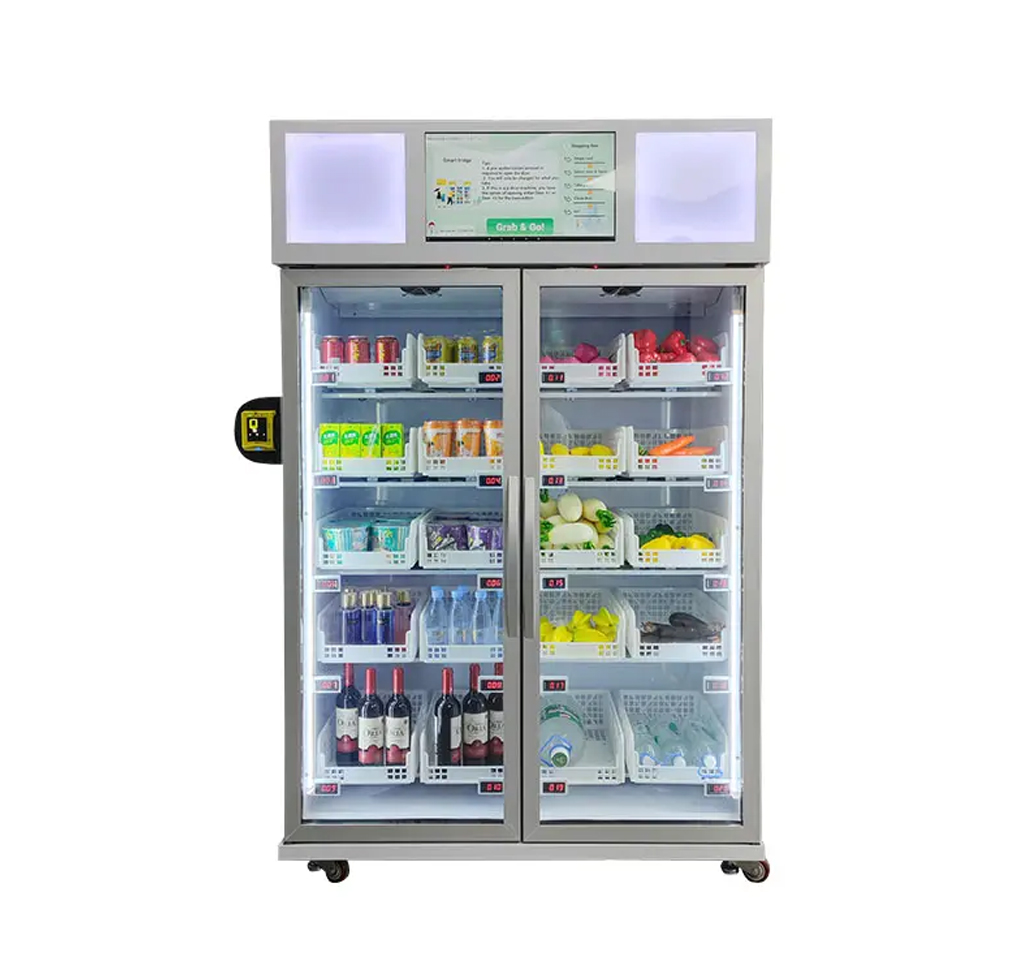
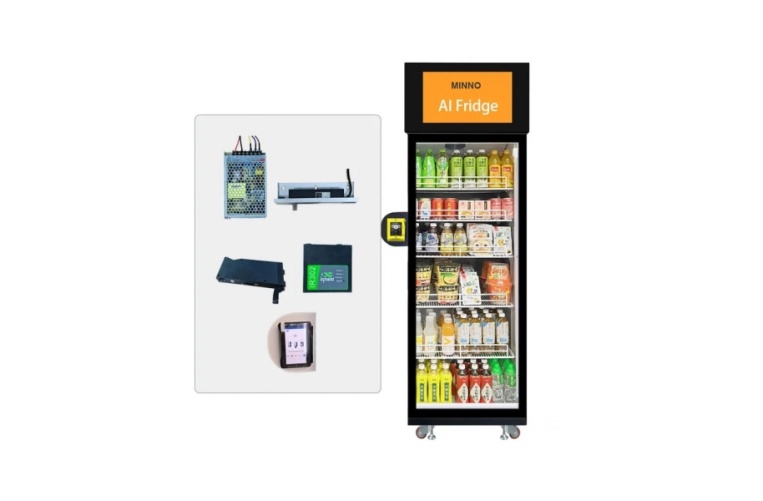
Enter the AI vision vending machine—a game-changing innovation set to reshape the landscape of self-service retail. Powered by artificial intelligence and advanced computer vision, these machines offer a completely software-driven approach, removing the need for mechanical components such as motors and moving parts. Instead, they rely on AI to "see" the products, track inventory, and handle transactions.
1. No Motors, No Moving Parts
One of the standout features of AI vision vending machines is the elimination of motors and mechanical moving parts. Traditional vending machines often face operational challenges related to mechanical failures, such as motors burning out or components wearing down due to constant use. By removing these elements, AI vision machines operate using only software, significantly reducing the risk of breakdowns and the need for expensive repairs.
These machines rely on high-resolution cameras and AI algorithms to identify, select, and deliver products. The AI system continuously monitors the inventory and uses image recognition to determine which product a customer has selected, ensuring that the correct item is dispensed. This shift to software-only operation makes the entire system more reliable and far less prone to mechanical failure.
2. Reduced Maintenance Costs
Without motors or moving parts, the need for regular maintenance is drastically reduced. Traditional vending machines often require technicians to perform frequent checks, lubricate parts, and replace malfunctioning components. In contrast, AI vision vending machines require minimal physical maintenance, as most issues can be addressed via software updates or remote troubleshooting.
Furthermore, AI-powered predictive maintenance allows the machine to monitor its own performance, identifying potential problems before they escalate. This real-time diagnostic capability ensures that the machine operates smoothly and minimizes the risk of costly repairs.
3. Enhanced User Experience
AI vision vending machines also offer an enhanced and intuitive user experience. Traditional vending machines often frustrate customers with issues like product jams or difficulty selecting the right item. With AI vision, customers simply interact with a screen or interface to select their desired products, which are then identified and dispensed by the machine’s vision system.
Moreover, these machines can provide personalized recommendations based on customer preferences or previous purchases. For example, if a customer regularly purchases a specific snack, the AI can highlight similar products or offer discounts on their favorite items. This level of customization makes the vending experience more engaging and tailored to individual needs.
4. Increased Efficiency and Accuracy
AI vision vending machines can also improve operational efficiency. The AI system can track inventory in real time, ensuring that stock levels are always accurate and up-to-date. This eliminates the need for manual inventory checks, reducing the chances of human error and enabling faster restocking.
Additionally, AI can detect and prevent fraud by ensuring that payments are processed securely and accurately. With advanced facial recognition or QR code scanning, these machines can offer a variety of payment options, including mobile wallets, contactless cards, and even cryptocurrency, providing a seamless and secure transaction experience.
The Future of Vending
Looking ahead, AI vision vending machines will not only improve the user experience and operational efficiency but also pave the way for new applications across various industries. From office buildings and airports to gyms and retail stores, these machines could be integrated into a wide range of environments, offering everything from snacks and drinks to electronics and pharmaceuticals.
In conclusion, AI vision vending machines represent a revolutionary leap forward in automated retail. With no motors, no moving parts, and significantly lower maintenance costs, these machines are set to redefine the future of vending, offering both businesses and consumers a more efficient, reliable, and enjoyable experience. By 2026, AI vision vending machines could become the new standard, ushering in a new era of self-service innovation.
Contact Us
📞 Phone/WhatsApp: +86 132 1355 7186
📧 Email: sales@buysmartlocker.co
Our Contact
Minno Furtniture
Customize smart storage lockers,parcel delivery lockers, key management cabinet,Vending machines,Office/School and home furniture.
-
Call For Inquiry
-
Send Us Email
sales@buysmartlocker.com
Need Help For Project!
We are ready to help your next projects, let’s work together
 WhatsApp
 sales@buysmartlocker.com
 +8613213557186