

News
25
Aug
Cup Noodle Vending Machines vs. Standard Snack Vending: What Actually Changes for Night-Shift and Dorm Locations
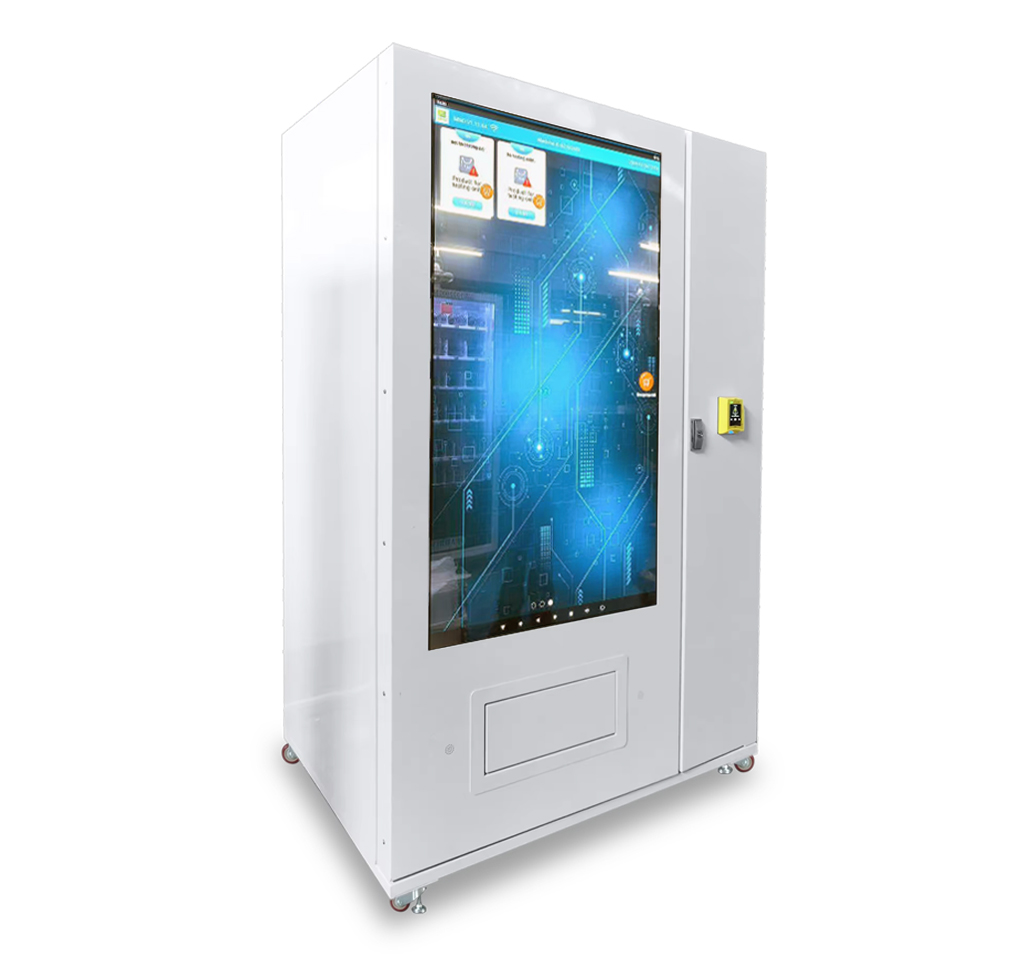
For facilities considering vending equipment for overnight or off-hours coverage, the choice often comes down to a standard snack machine or a cup noodle machine with a built-in hot water dispenser. They look similar on the outside, but they solve fairly different problems. Here's a direct comparison.
What Each Format Actually Offers
| Standard Snack Vending Machine | Cup Noodle Vending Machine | |
|---|---|---|
| Product type | Chips, candy, packaged snacks | Instant noodles with on-demand hot water |
| Meal substitution | Minimal — supplements a meal, doesn't replace one | Functions as a genuine hot meal replacement |
| Preparation required | None (ready to eat) | None — hot water dispensed automatically after purchase |
| Best for | Quick snacking between meals | Replacing a missed or unavailable hot meal |
Where Each One Actually Solves the Problem
| Scenario | Standard Snack Vending | Cup Noodle Vending |
|---|---|---|
| Daytime break room snacking | ✅ Good fit | ⚠️ Overkill for a quick snack |
| Overnight shift with no kitchen access | ⚠️ Only provides a partial, cold option | ✅ Provides an actual hot meal |
| Dorm without cooking facilities | ⚠️ Doesn't address the core need | ✅ Directly solves the "no kitchen" problem |
| Late-night study sessions | ⚠️ A snack, not a meal | ✅ A more satisfying, filling option |
| Transit hub after food court closes | ⚠️ Cold option only | ✅ Hot food available regardless of hour |
Cost and Operational Differences
| Factor | Standard Snack Vending | Cup Noodle Vending |
|---|---|---|
| Equipment complexity | Lower — dispensing mechanism only | Higher — includes hot water heating and dispensing system |
| Maintenance considerations | Restocking, general cleaning | Restocking, plus water system maintenance and cup capacity checks |
| Product cost per unit | Generally lower | Slightly higher, reflecting the "meal" positioning |
| Perceived value to user | Snack-level | Meal-level, especially valuable when no alternative exists |
When a Standard Snack Machine Is Still the Right Call
The location already has reliable, staffed access to hot meals during standard hours
The primary need is casual snacking rather than meal replacement — a typical daytime office break room, for example
Budget or space constraints favor the simpler, lower-cost equipment option
When a Cup Noodle Vending Machine Is the Better Fit
People are present during hours when no staffed food service is available — overnight shifts, late-night study sessions, 24-hour facility operations
The location houses people without practical cooking access — dormitories, barracks, or similar residential settings
There's a genuine, recurring need for something more substantial than a snack, and staffing a kitchen around the clock isn't realistic
The Bigger Picture
The real distinction isn't "better" or "worse" — it's what problem each format is actually built to solve. A standard snack machine is designed for casual, in-between-meals snacking. A cup noodle vending machine is designed to function as an actual meal replacement during hours when no other hot food option exists. For facilities running shift work, student housing, or 24-hour operations, that distinction is often the deciding factor — and in many cases, the right answer is running both side by side, letting each format do the job it's actually built for.
Trying to decide between a standard snack machine and a cup noodle vending machine for your facility? Contact our team — we'll help match the right equipment to your actual hours and population.
Contact Us
📞 Phone/WhatsApp: +86 132 1355 7186
📧 Email: sales@buysmartlocker.com
Our Contact
Minno Furtniture
Customize smart storage lockers,parcel delivery lockers, key management cabinet,Vending machines,Office/School and home furniture.
-
Call For Inquiry
-
Send Us Email
sales@buysmartlocker.com
Need Help For Project!
We are ready to help your next projects, let’s work together
 WhatsApp
 sales@buysmartlocker.com
 +8613213557186