

News
30
Jun
Fresh Food Lockers for East Asia – Finally, a Solution for the Last Mile Problem
So What Is a Refrigerated Parcel Locker, anyway?
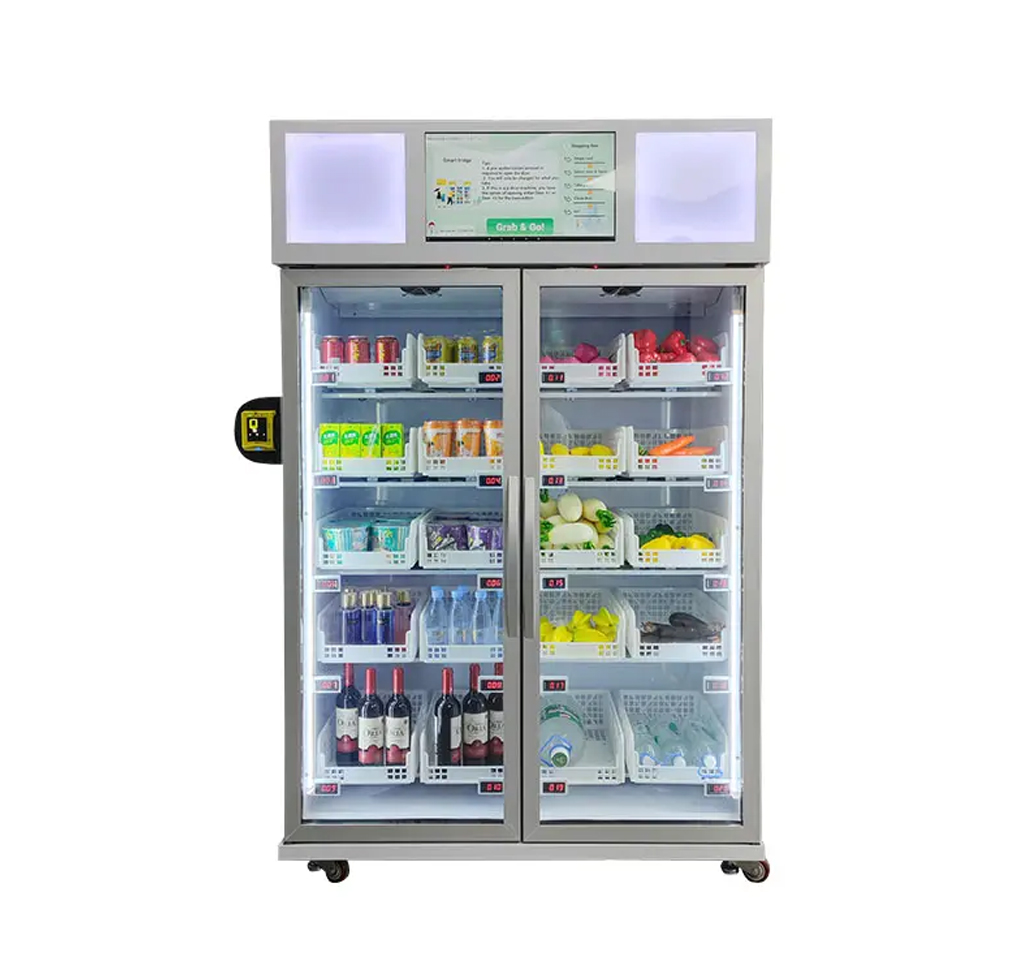
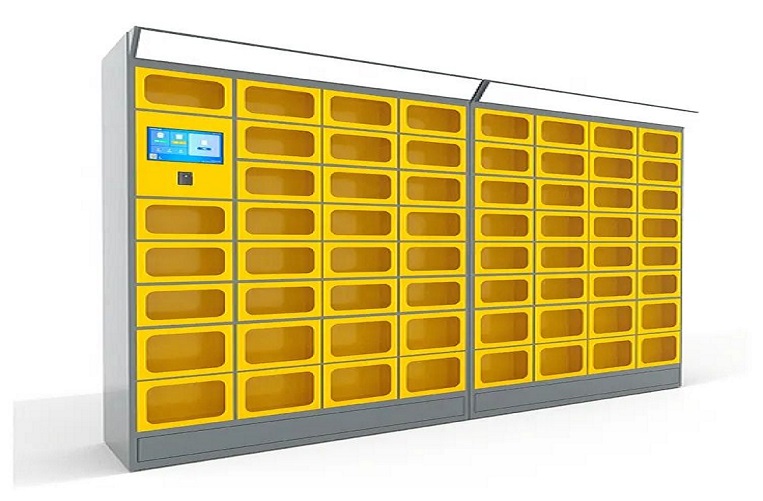
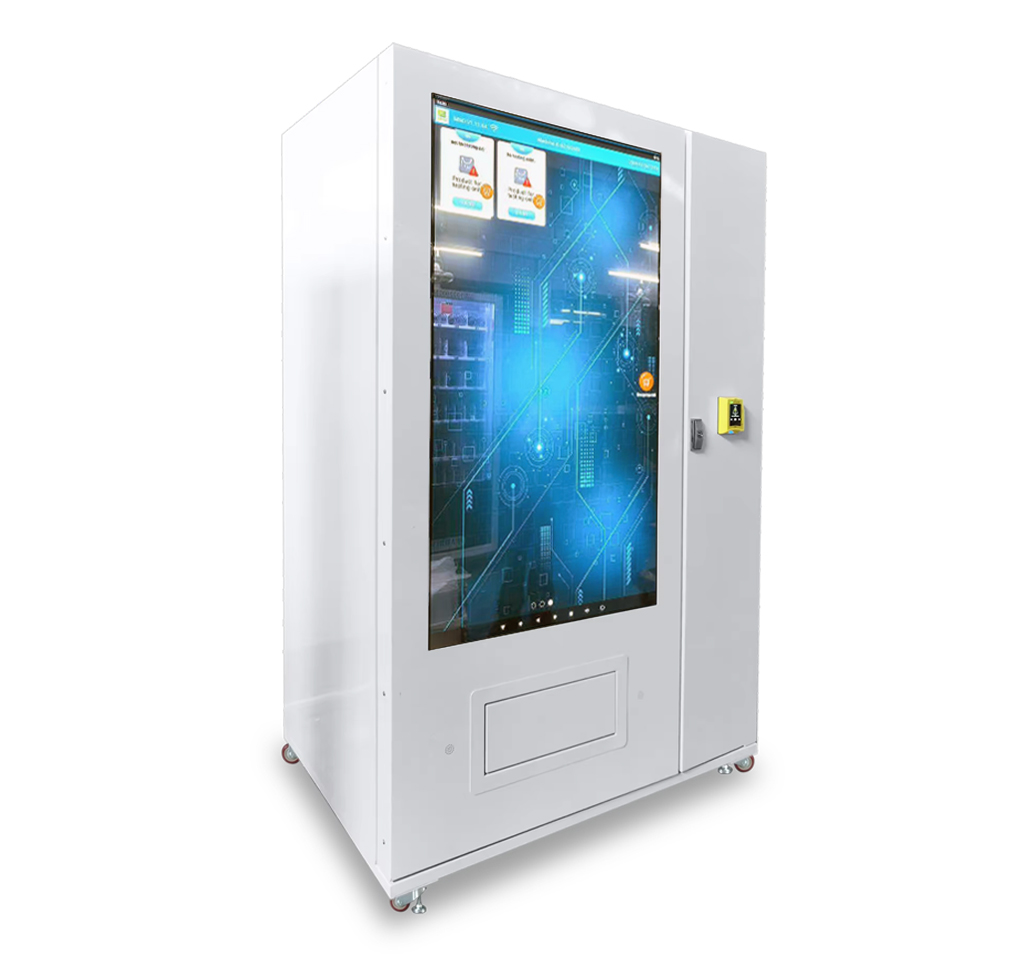
It's simple. A cold storage locker is a temperature-controlled box – think of it as a parcel locker, but with proper cooling. A delivery driver puts your customer's chilled or frozen groceries inside. The customer gets a one-time code by text or app, swings by whenever it's convenient, and grabs their order. No more waiting at home. No more melted ice cream. No more warm chicken sitting on a doorstep.
I've been talking to delivery operators in Tokyo, Seoul, and Shanghai. The pain point is always the same: online grocery is booming, but the last mile is still a mess. Customers aren't home during the day. Drivers leave bags outside apartment doors. In a Shanghai summer with 35°C heat and 80% humidity, your frozen dumplings turn into warm mush in under an hour. In a Seoul winter, dairy can freeze and split. Either way, you're eating refunds, bad reviews, and lost repeat business.
A refrigerated locker fixes that problem cold (pun intended).
Why East Asia Needs This More Than You Think
Let me give you a few numbers to set the scene.
The Asia-Pacific online grocery delivery market is expected to grow from USD 289 billion in 2025 to over USD 612 billion by 2031, at a CAGR of 13.31%. Fresh produce alone is projected to expand at a 17.35% CAGR through 2031. China alone accounts for nearly 46% of the Asia-Pacific online grocery market. Japan's smart parcel locker market is growing at 11.4% CAGR. South Korea's cold chain infrastructure is struggling to keep up – only 60% of cold storage facilities meet modern standards, and the country needs an additional 1.2 million square meters of cold storage-.
But here's the dirty secret: temperature control in the last mile is still terrible – especially in hot, humid summers. When a customer gets warm milk or sweaty vegetables, they don't just ask for a refund. They switch to a competitor next time.
And look, parcel lockers are everywhere now. China's lockers, Japan's Yamato lockers, Korea's various smart locker networks – they've trained millions of East Asians to grab packages from lockers. But almost none of those lockers are refrigerated. Great for a phone case. Useless for a bag of fresh prawns.
That's exactly where a cold storage locker fits. It's the same convenience as a regular parcel locker, but with actual cooling that works in Asian heat and humidity. And once people get used to picking up their chilled groceries at 10pm after work or a late gym session, they're never going back to doorstep delivery.
Does It Actually Make Financial Sense?
I'll run a quick real-world example for a mid-sized grocery delivery service in, say, Shanghai or Tokyo.
Let's say you do 3,000 orders a month, average ticket around 50 CNY or 1,000 JPY. About 15% of deliveries have some kind of last-mile problem – missed delivery, wrong temperature, customer not home. That's 450 problem orders a month. Each one costs you maybe 10–20 CNY or 200–400 JPY in spoilage, redelivery, customer service time, and often a partial refund. Monthly loss adds up fast. Annual loss is even worse.
That's just the direct hit. The real killer is customers who try you once, get warm food, and never come back. Customer acquisition in East Asia is expensive – losing one over a broken cold chain is just bad business.
Now throw in one refrigerated parcel locker. Cost? Around $4,500–7,500 USD depending on size and features. Failed deliveries for customers using that locker drop to almost zero. Each locker handles 40–60 pickups a day. Payback period is usually 3–6 months. After that, you're saving tens of thousands a year.
If you're a property manager or apartment building owner, you can even charge delivery services a monthly fee to use your lockers, or market it as a premium amenity. In places like Tokyo's luxury towers, Seoul's Gangnam district, or Shanghai's new residential complexes, a cold locker in the lobby is a genuine selling point.
What Features Actually Matter (Skip the Fluff)
I'm not going to give you a bullet list of 50 features. Here's what you actually care about.
Temperature: You need a chilled zone (2–8°C) for dairy, meat, produce. And a frozen zone (-10 to -20°C) for ice cream and frozen veggies. Real-time temperature monitoring so you get an alert the moment something drifts. Backup power so a sudden thunderstorm or power fluctuation doesn't spoil everything.
Access: One-time codes for drivers and customers. SMS or app notifications in local languages – Chinese, Japanese, Korean. An admin dashboard you can check from your phone – see which lockers are full, what the temperature is, who picked up when. Contactless QR pickup because people like not touching public screens – especially after COVID.
Build quality: Insulated steel, weather-sealed, vandal-resistant. High humidity, heavy rain, extreme heat – it needs to survive all of it. Tamper alarms that ping you if someone tries to pry a door or unplug the unit. Optional camera if you want it, but honestly most clients skip it and just use the audit log – less privacy headache.
Convenience: Multiple compartment sizes (small for a bento box, large for a weekly shop). A touchscreen that works with gloves and in bright sunlight. Multi-language interface – we can do Chinese, Japanese, Korean, English, etc.
Space efficiency: In East Asian cities where space is at a premium, our lockers are designed to be compact and modular. You can stack them, place them against walls, or even integrate them into existing lobby layouts.
Who's Actually Buying These Things Across East Asia?
· Online grocers – Major platforms in China, Japan, and Korea are putting refrigerated lockers at pickup points so customers can grab orders 24/7.
· Quick commerce apps – Drivers drop and go, no waiting for customers to answer the door. Essential for 15-minute delivery promises.
· Apartment buildings – Huge amenity for residents who work long hours. Property managers in Tokyo, Seoul, and Shanghai are already doing this.
· Office buildings – Central cold locker for lunch delivery. No more sad warm bento boxes on the reception desk.
· Universities – Students order groceries and meals, pick up between classes.
· Convenience stores – 24/7 grocery pickup as an extra service. 7-Eleven, FamilyMart, Lawson – it's already happening.
How Much Are We Talking?
I'll be straight with you – no "contact us for pricing" nonsense. Estimates in USD.
· Small unit (8–12 compartments, chilled only, indoor): $3,500–5,000
· Mid-size unit (15–24 compartments, chilled+ frozen, indoor/outdoor): $5,000–7,500 – the sweet spot for most
· Large system (30+ compartments, dual temp, camera, backup battery, outdoor-rated): $7,500–11,000
Add shipping to East Asia, installation, and any custom branding (your logo on the locker or screen). Compared to losing customers and money on spoilage? It's a no-brainer.
A Few Things People Always Ask Me
Can I put these model outside in tropical weather? Yes, just get the outdoor-rated model. We've tested them in Shanghai humidity, Tokyo summer heat, and even during typhoon rains. They hold up.
Electricity cost? Negligible – about $20–40 USD a month depending on local rates.
Can I connect it to my own app? Yes, we provide a REST API. Your driver's app can automatically open lockers and send codes. We've done integrations with major regional platforms.
What if someone never picks up their order? The system sends reminders after 4, 12, 24 hours. After a time limit you set (say, 48 hours), the locker auto-releases the compartment. Everything is logged.
Do you have any units already out there? Yes – apartment buildings in Tokyo, Seoul, and Shanghai. Also talking to retailers in other major cities. Happy to arrange a reference call with permission.
Can I try one before buying ten? Absolutely. One unit, 30-day trial. No minimum order quantity.
Privacy laws? We help you configure audit logs, camera settings, and data retention to meet local regulations (like China's PIPL, Japan's APPI, Korea's PIPA). No headaches.
Who Makes These Things?
We're Minno Office Furniture. Been in the steel office furniture business for over ten years – we know how to build tough, secure cabinets. Now we focus on smart lockers: fresh food lockers, parcel lockers, key cabinets, school lockers.
Why do East Asian businesses pick us?
· Factory-direct pricing – no middleman markup
· Customization without crazy fees – sizes, logos, colors, local languages
· Built for Asia – 220V/110V options, weather-resistant, multilingual dashboard, support during local business hours (JST, KST, CST). Real people, not bots.
· Test one first – minimum order quantity is literally one unit
· Local privacy guidance included – no legal surprises
We're the team behind buysmartlocker.com. Already have fresh food lockers running from Tokyo to Seoul to Shanghai.
Interested? Just shoot us a message. Tell us roughly how many deliveries you do per day, chilled/frozen/both, indoor or outdoor, and whether you need API integration. We'll send a spec sheet, price list, and – if you're serious – a sample unit with a refundable deposit. No pressure, no endless sales calls. Just a good product at a fair price.
Our Contact
Minno Furtniture
Customize smart storage lockers,parcel delivery lockers, key management cabinet,Vending machines,Office/School and home furniture.
-
Call For Inquiry
-
Send Us Email
sales@buysmartlocker.com
Need Help For Project!
We are ready to help your next projects, let’s work together
 WhatsApp
 sales@buysmartlocker.com
 +8613213557186