

News
24
Aug
How to Choose a Smart Fridge Vending Machine: Weight Sensors, Cooling Range, and What Actually Matters
Introduction: The Spec Sheet That Actually Matters for Fresh Food Vending
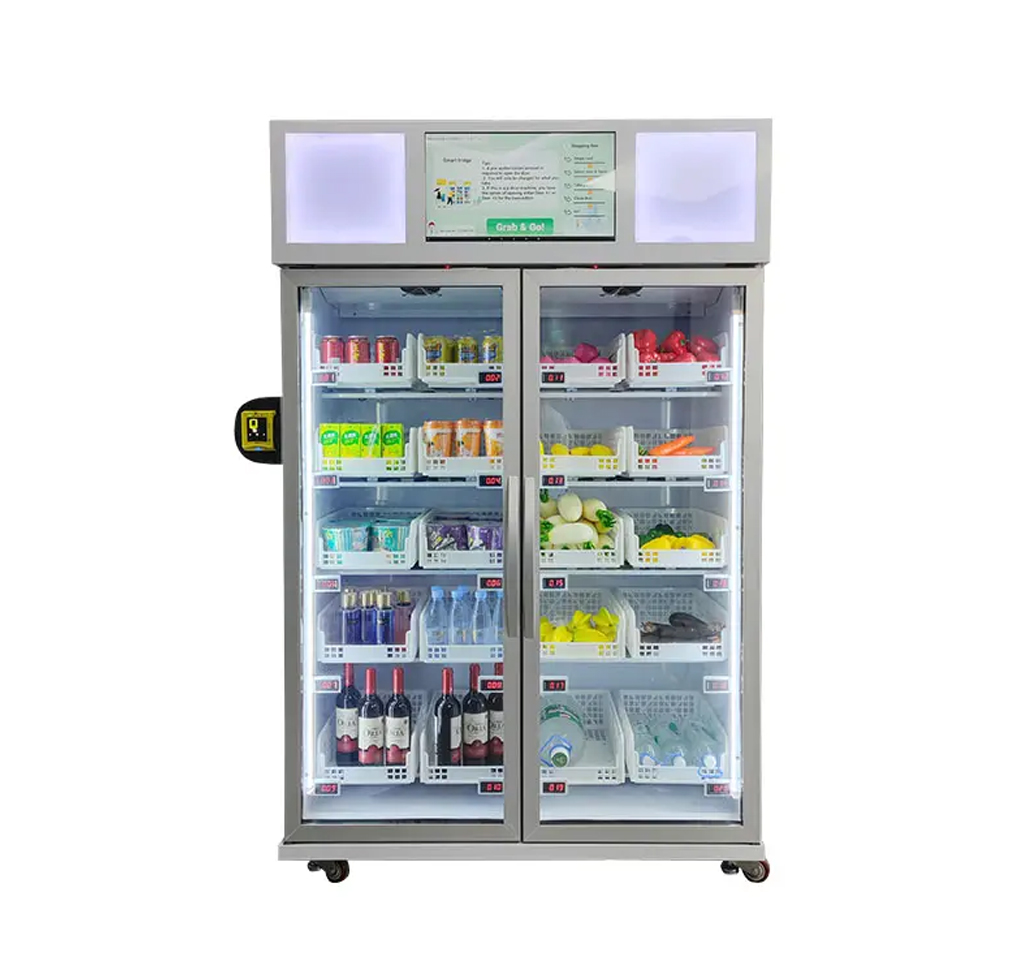
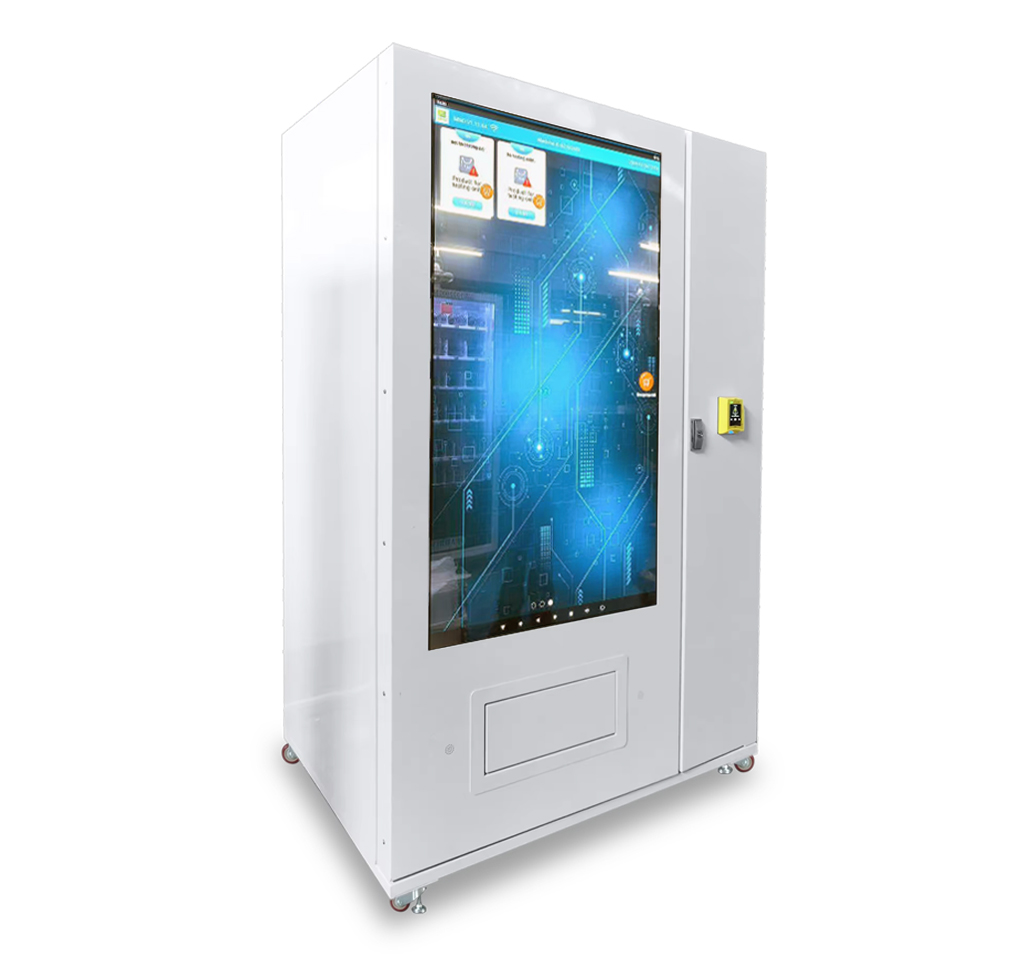
A smart fridge vending machine is a more complex piece of equipment than a standard snack machine — it's combining refrigeration, weight-sensing electronics, and remote software into a single unattended retail unit. That means there are more places for quality to differ between models, and more specs worth understanding before you order. Here's what actually matters.
1. Weight-Sensing Technology: The Core of How These Machines Work
Unlike a spiral or push-tray machine, a smart fridge vending machine identifies purchases by detecting weight changes rather than tracking a specific mechanical dispense.
Sensitivity matters — quality systems can detect changes as small as 10 grams, which is what allows the machine to accurately charge for lightweight items (a single piece of fruit, a small yogurt) as reliably as heavier ones
Basket-style goods trays hold products of virtually any shape, removing the packaging and dimension constraints that limit what a traditional spiral-tray machine can sell
The entire transaction — open door, take item, close door — is designed to complete in roughly 10 seconds, which matters directly for customer experience in high-traffic locations like office break rooms or transit hubs
2. Cooling and Freezer Range
Not every smart fridge configuration is built for the same product category, so matching the temperature range to your actual product mix is essential.
Standard cooling systems typically operate in a 3°C to 20°C range, suited to drinks, dairy, prepared meals, and other chilled goods
Freezer configurations extend down to roughly -18°C to -20°C, necessary for frozen meals, ice cream, or other frozen product categories
Refrigerant type matters too — R290 gas is a common choice in quality units, valued for both cooling performance and environmental considerations compared to older refrigerant types
Buyer tip: If you're planning to sell a mix of chilled and frozen goods, check whether the model you're considering supports dual-zone configuration, or whether you'll need separate machines for each category.
3. Build Quality: What's Actually Holding the Machine Together
Because these machines run unattended and need to protect refrigerated inventory, physical build quality directly affects both security and reliability.
Sheet metal thickness is a meaningful durability indicator — thicker gauge steel (commonly cited around 22mm in higher-quality units) provides significantly more structural strength than thinner alternatives
A solid full glass door allows customers to see available products before purchasing, which supports impulse buying, while still needing to be durable enough for constant daily opening and closing
Compressor quality affects long-term reliability — a name-brand compressor paired with a stable refrigerant system tends to perform more consistently over years of continuous operation than a generic, unbranded component
4. Capacity and Tray Configuration
Tray or basket capacity commonly ranges from around 10 to 20 trays depending on the model, so match this to your expected product variety and restocking frequency
More trays generally mean more product variety without more frequent restocking trips, which matters especially for remote or hard-to-access locations
Confirm whether trays are fixed-size or adjustable, since adjustable configurations offer more flexibility as your product mix changes over time
5. Display and User Interface
Touchscreen size — commonly around 21.5 inches on standard models — affects both the shopping experience and how much promotional content the screen can display
Advertisement and promotional capability — the ability to remotely upload pictures and video advertisements to the screen turns the machine into a secondary marketing channel, not just a transaction point
Remote screen and lighting control — being able to turn off the screen and interior lighting remotely during off-hours (overnight in a low-traffic location, for example) directly reduces energy costs without requiring an on-site visit
6. Software and Remote Management
This is where a smart fridge vending machine differentiates most clearly from older refrigerated vending equipment.
Real-time inventory monitoring lets operators check stock levels remotely, rather than driving to the machine to find out what needs restocking
Daily and weekly sales data helps operators identify underperforming products and remove them promptly, rather than continuing to stock items that aren't selling
Remote configuration — including turning the screen, lighting, or even specific functions on and off — reduces the number of physical site visits needed to manage the machine day to day
7. Payment and Connectivity
Card reader support is standard on most models, with some configurations also supporting mobile payment options depending on the target market
4G/WiFi connectivity ensures the machine stays connected for remote monitoring and sales reporting even in locations without a dedicated wired internet connection
Operating system — machines commonly run on a standard Android-based platform, which tends to offer broader software compatibility and easier long-term support than a fully proprietary system
8. Certification and Warranty
Confirm relevant certifications for your target market (CE certification, for example, is common for machines sold into European and many international markets)
Check warranty length and what's covered — an 18-month warranty is a reasonable baseline to look for, along with confirmation of how spare parts and technical support are handled after installation
Ask specifically about after-sales service structure — video technical support and responsive online support meaningfully reduce downtime compared to a manufacturer that only offers email-based support
Quick Comparison: Cooling vs. Freezer Configuration
| Feature | Cooling Configuration | Freezer Configuration |
|---|---|---|
| Temperature range | Approx. 3°C to 20°C | Approx. -18°C to -20°C |
| Best for | Drinks, dairy, prepared meals, fresh produce | Frozen meals, ice cream, frozen goods |
| Typical price range | Lower | Higher |
| Common locations | Offices, hotels, convenience settings | Specialty frozen food retail, dessert vending |
Frequently Asked Questions
How sensitive is the weight sensor in a smart fridge vending machine?
Quality systems can detect weight changes as small as 10 grams, which allows accurate charging even for lightweight items like a single piece of fruit or a small snack.
What's the difference between a cooling and a freezer smart fridge vending machine?
A cooling configuration typically operates in a 3°C to 20°C range for chilled goods, while a freezer configuration extends to roughly -18°C to -20°C for frozen products — the right choice depends entirely on your planned product mix.
Does a smart fridge vending machine need a dedicated internet connection?
No. Most models support both WiFi and 4G connectivity, so the machine can maintain remote monitoring and sales reporting even in locations without a dedicated wired connection.
How long is a typical warranty on a smart fridge vending machine?
Warranty terms vary by manufacturer, but an 18-month warranty is a reasonable baseline, and it's worth confirming what after-sales support (spare parts, technical assistance) is included alongside it.
Conclusion
A smart fridge vending machine is a more complex purchase than a standard vending unit, and the specifications that matter most — weight sensor sensitivity, cooling versus freezer range, build quality, and remote management capability — aren't always obvious from a quick product photo. Matching these specs to your actual product mix and location before you order is what determines whether the machine performs the way you expect once it's installed.
Not sure which configuration fits your product mix and location? Contact our team for a tailored specification and quote.
Contact Us
📞 Phone/WhatsApp: +86 132 1355 7186
📧 Email: sales@buysmartlocker.com
Our Contact
Minno Furtniture
Customize smart storage lockers,parcel delivery lockers, key management cabinet,Vending machines,Office/School and home furniture.
-
Call For Inquiry
-
Send Us Email
sales@buysmartlocker.com
Need Help For Project!
We are ready to help your next projects, let’s work together
 WhatsApp
 sales@buysmartlocker.com
 +8613213557186