

News
17
Jun
Types of Modern Vending Machines
As consumer demand continues to evolve, vending machines have expanded far beyond traditional snacks and beverages. Today, businesses deploy a wide range of automated retail solutions designed to serve specific industries and customer needs.
Common types of vending machines include:
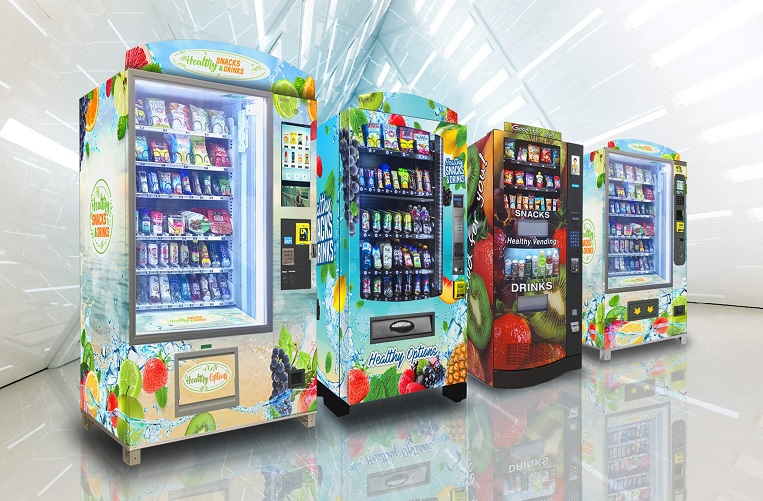
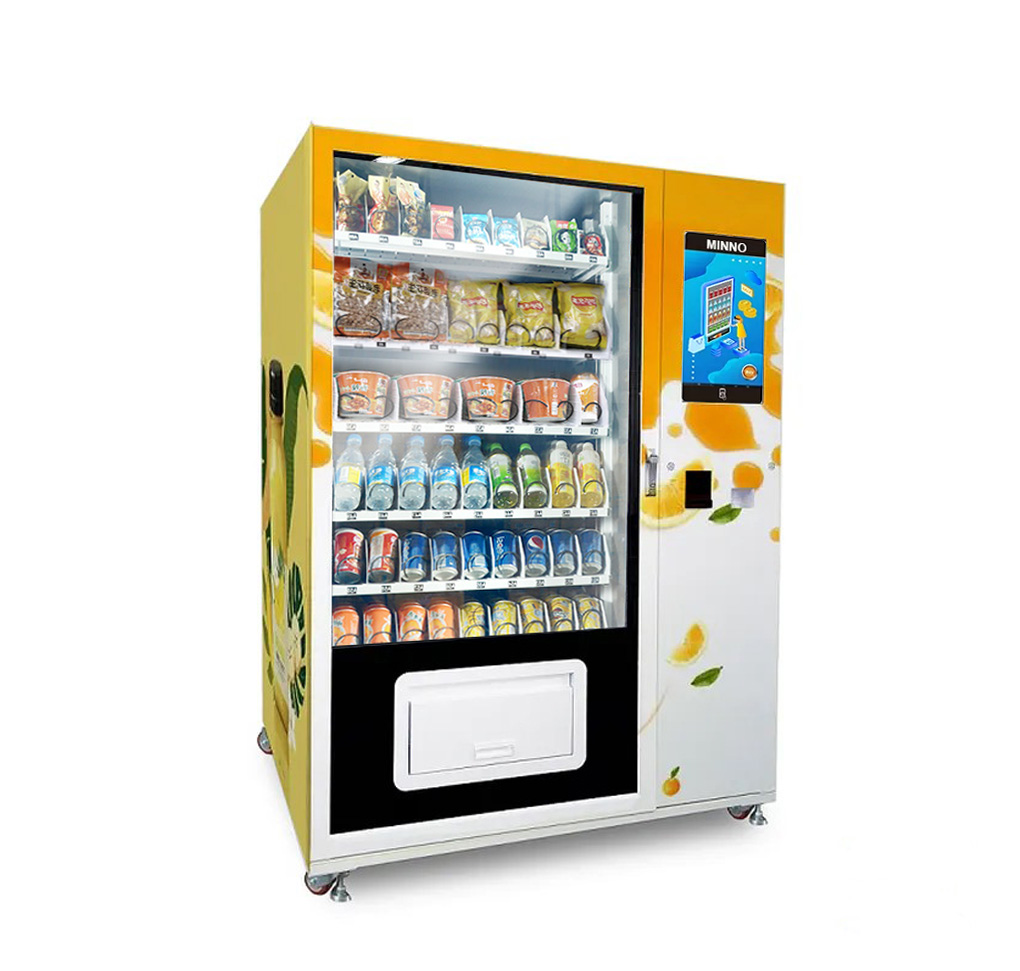
Snack and Beverage Vending Machines
These remain the most widely used vending machines worldwide. They dispense chips, candy, bottled drinks, energy drinks, and other convenience products in offices, schools, transportation hubs, and public spaces.
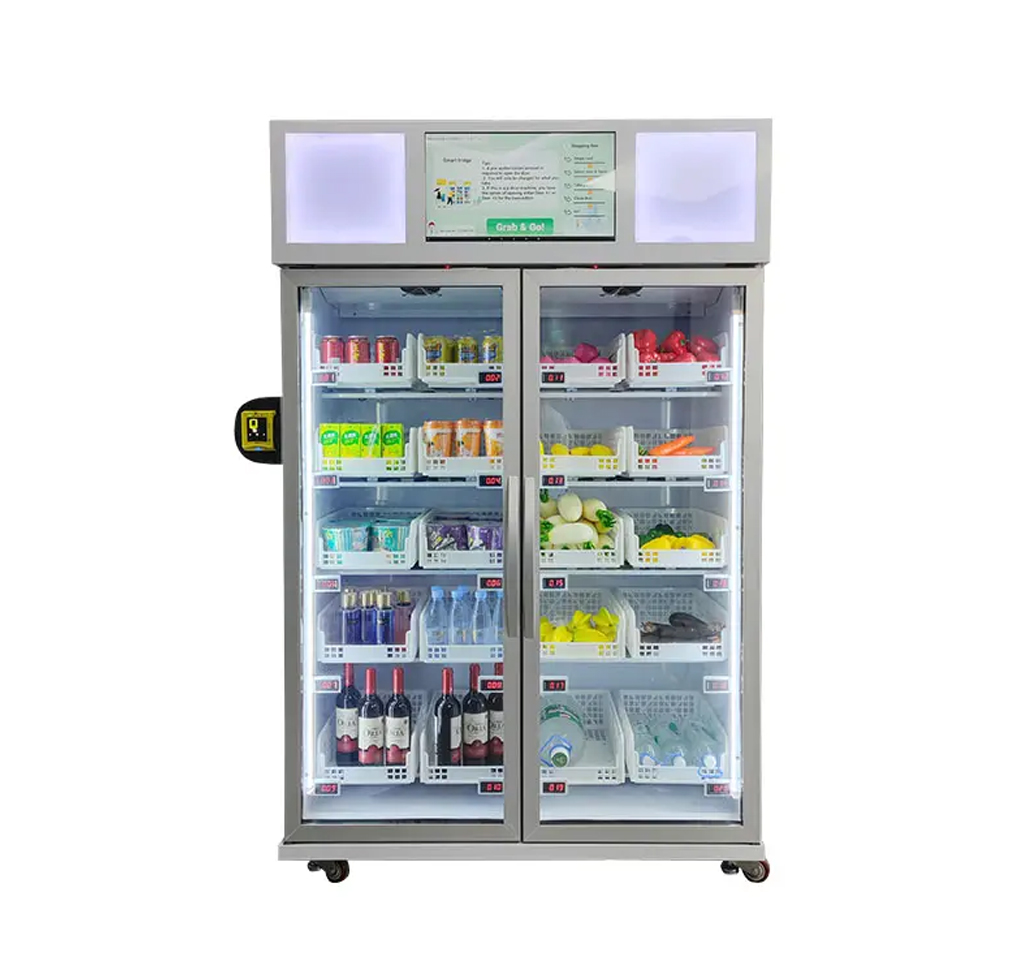
Fresh Food Vending Machines
Fresh food vending machines provide sandwiches, salads, fruits, dairy products, and ready-to-eat meals. Many modern systems include refrigeration technology and real-time inventory monitoring to ensure food safety and freshness.
Coffee and Hot Beverage Vending Machines
Coffee vending machines have become increasingly sophisticated, offering freshly brewed coffee, cappuccino, espresso, hot chocolate, and tea. These machines are commonly found in workplaces, hotels, hospitals, and airports.
Smart Locker Vending Systems
A growing trend in unattended retail is the integration of smart lockers with vending technology. Smart locker vending systems allow customers to purchase products online or on-site and retrieve them securely using QR codes, PINs, RFID cards, or mobile applications.
Industries utilizing smart locker vending solutions include:
E-commerce parcel delivery
Electronics distribution
PPE and safety equipment management
Employee asset management
University campus services
Healthcare facilities
Specialty Vending Machines
Modern vending technology now supports the sale of highly specialized products, including:
Electronics and mobile accessories
Cosmetics and beauty products
Books and stationery
Pharmaceutical products
Personal protective equipment (PPE)
Automotive supplies
Sports equipment
The Rise of Cashless Vending Machines
One of the most significant developments in the vending machine industry is the adoption of cashless payment technology.
Modern machines increasingly accept:
Credit cards
Debit cards
Mobile wallets
QR code payments
NFC payments
Contactless payment systems
Cashless vending machines provide several benefits:
Faster transactions
Improved user experience
Reduced cash handling costs
Enhanced security
Better sales tracking and reporting
As consumers become more accustomed to digital payments, cashless vending solutions are expected to dominate the global market.
Smart Vending Machines and IoT Technology
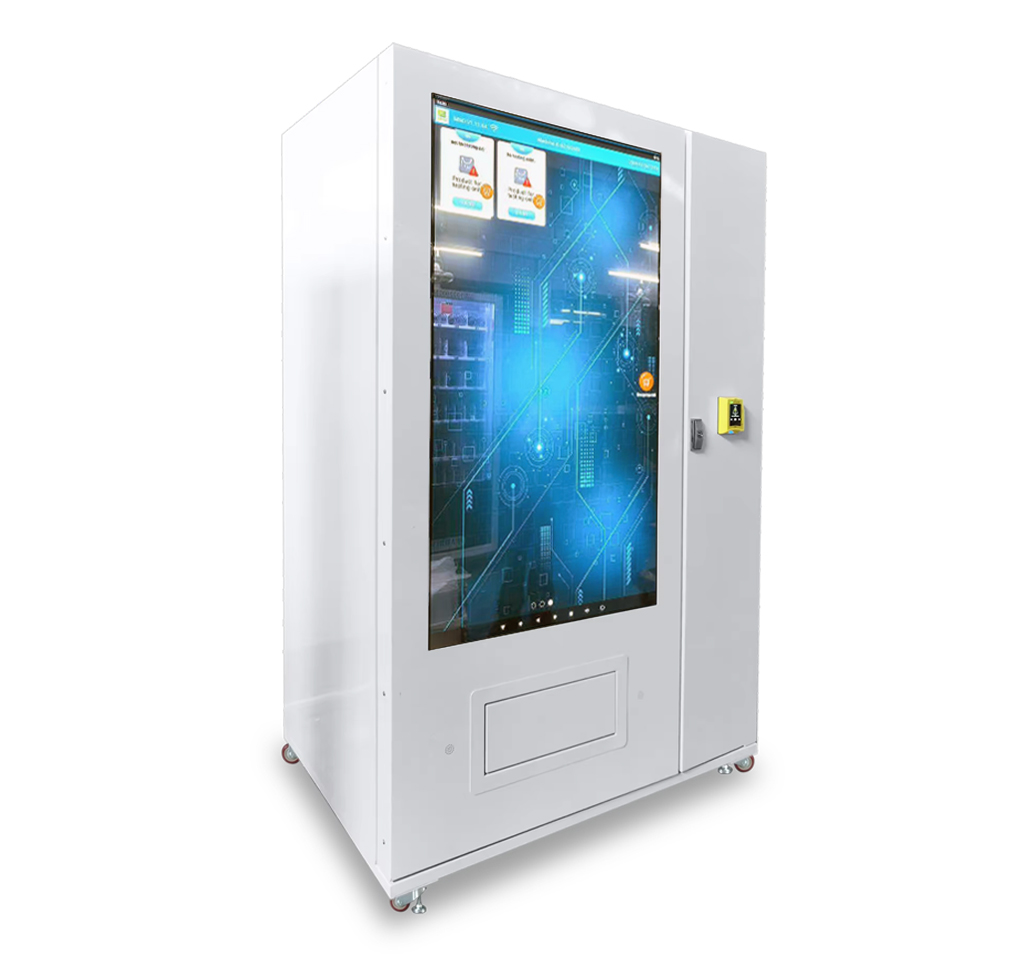
The Internet of Things (IoT) has transformed traditional vending machines into connected retail platforms.
Smart vending machines can:
Monitor inventory levels in real time
Send automatic restocking alerts
Track sales performance remotely
Monitor machine health and maintenance requirements
Analyze customer purchasing behavior
Support dynamic pricing strategies
Operators can manage thousands of machines through cloud-based software platforms, significantly improving operational efficiency and reducing downtime.
Artificial Intelligence in the Vending Industry
Artificial Intelligence (AI) is becoming a key driver of innovation in automated retail.
AI-powered vending machines can:
Recommend products based on customer preferences
Predict inventory demand
Detect equipment failures before they occur
Optimize product placement
Improve customer engagement through interactive touchscreens
Some advanced systems even utilize computer vision technology, allowing customers to simply take products and complete payment automatically without scanning individual items.
Benefits of Vending Machines for Businesses
Vending machines provide numerous advantages for both operators and consumers.
24/7 Availability
Unlike traditional retail stores, vending machines can operate around the clock without requiring staff presence.
Lower Operating Costs
Businesses can reduce labor expenses while maintaining product availability.
Flexible Installation
Machines can be installed in offices, schools, hospitals, shopping centers, transportation hubs, residential buildings, and industrial facilities.
Scalable Business Model
Operators can expand their vending machine network gradually, making it an attractive business opportunity for entrepreneurs and investors.
Data-Driven Operations
Modern vending systems provide detailed analytics that help operators optimize product selection and maximize profitability.
Sustainability and Energy Efficiency
Environmental concerns are influencing the design of next-generation vending machines.
Manufacturers are increasingly incorporating:
LED lighting systems
Energy-efficient compressors
Smart power management
Recyclable materials
Eco-friendly refrigerants
These improvements reduce energy consumption while helping operators meet sustainability goals.
Future Trends in the Vending Machine Industry
The future of vending machines lies in greater automation, connectivity, and personalization.
Emerging trends include:
AI-powered retail automation
Smart locker integration
Robotics-enabled food preparation
Autonomous inventory management
Biometric authentication
Personalized shopping experiences
Integration with e-commerce platforms
As technology continues to advance, vending machines are evolving from simple dispensing devices into sophisticated self-service retail ecosystems capable of serving a wide range of industries and consumer needs.
Conclusion
From the first postcard vending machines introduced in England during the 1880s to today's AI-powered smart vending solutions, the vending machine industry has undergone remarkable transformation. Modern vending machines combine automation, cashless payment technology, cloud connectivity, and intelligent data analysis to provide consumers with convenient, secure, and efficient purchasing experiences.
As demand for unattended retail continues to grow worldwide, vending machines, smart lockers, and automated self-service solutions are expected to play an increasingly important role in the future of retail, food service, logistics, healthcare, and workplace management.
Contact Us
📞 Phone/WhatsApp: +86 132 1355 7186
📧 Email: sales@buysmartlocker.co
Our Contact
Minno Furtniture
Customize smart storage lockers,parcel delivery lockers, key management cabinet,Vending machines,Office/School and home furniture.
-
Call For Inquiry
-
Send Us Email
sales@buysmartlocker.com
Need Help For Project!
We are ready to help your next projects, let’s work together
 WhatsApp
 sales@buysmartlocker.com
 +8613213557186