

News
09
May
Why Smart Food Delivery Lockers Are Becoming a High-ROI Investment for Commercial Properties
Food Delivery Is No Longer a Trend — It’s Infrastructure
In modern office buildings, business parks, and commercial spaces, food delivery has become part of daily operations.
Every lunch hour brings:
Large volumes of delivery riders
Crowded lobbies
Interrupted workflows
Pressure on reception teams
For property managers and building operators, this creates an operational problem that grows every year.
That’s why more commercial properties are investing in:
Not simply as a convenience feature —
but as an infrastructure upgrade with measurable ROI.
The Hidden Costs of Traditional Food Delivery Handling
Many buildings still rely on:
Front desk handovers
Manual storage
Phone coordination
Reception management
At first glance, this seems manageable.
But in high-traffic buildings, the hidden costs add up quickly:
Labor expenses
Lobby congestion
Delivery delays
Tenant complaints
Security risks
Manual package and delivery handling creates long-term operational inefficiencies that compound over time.
Why Smart Food Lockers Deliver Strong ROI
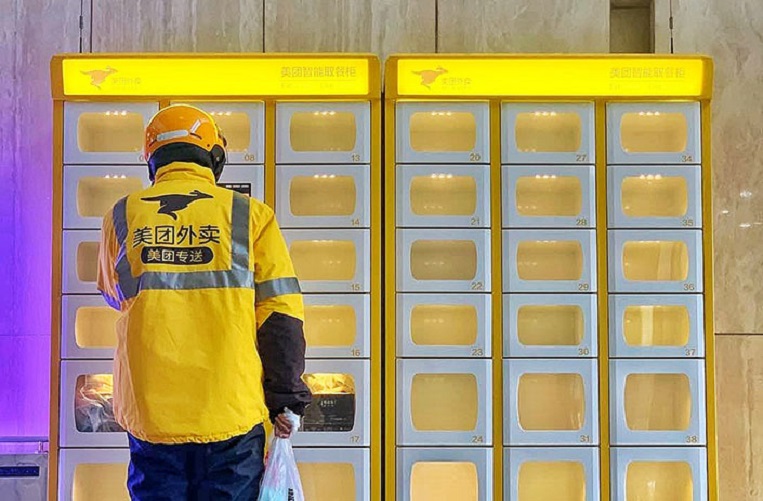
A smart food delivery locker system automates the entire pickup process.
Couriers place orders directly into lockers.
Users receive access codes.
Pickup becomes fully self-service.
This creates value in several measurable ways.
1. Reduce Labor & Operational Costs
Traditional delivery handling requires:
Reception involvement
Staff coordination
Manual tracking
Smart lockers eliminate most of this workload.
Automated locker systems can reduce manual handling tasks by 70–90%, significantly lowering operational pressure and staffing requirements.
For commercial buildings, this means:
✔ Lower staffing pressure
✔ Reduced administrative workload
✔ Better allocation of front desk resources
Instead of managing deliveries, staff can focus on higher-value responsibilities.
2. Improve Tenant Satisfaction & Retention
Modern tenants expect:
Convenience
Contactless services
Technology-driven amenities
Food lockers improve the daily experience by allowing tenants to:
✔ Pick up food anytime
✔ Avoid waiting for couriers
✔ Skip crowded lobby areas
Smart locker systems improve user convenience and workplace experience, helping businesses enhance tenant and employee satisfaction.
In competitive commercial real estate markets, tenant experience directly impacts retention and leasing value.
3. Increase Delivery Efficiency
Without lockers:
Couriers wait
Calls are made repeatedly
Deliveries pile up
With smart lockers:
✔ Delivery becomes centralized
✔ Drop-off time is reduced
✔ Throughput increases dramatically
Smart lockers streamline delivery workflows and reduce bottlenecks in high-volume environments.
This is especially valuable in:
Office towers
Co-working spaces
Business parks
Corporate campuses
4. Reduce Lobby Congestion
Lunch-hour congestion creates:
Poor building image
Security concerns
Operational disorder
Smart food lockers create an organized, controlled pickup process.
The result:
✔ Cleaner lobbies
✔ Better traffic flow
✔ More professional environment
5. Create a Competitive Building Advantage
Commercial properties increasingly compete through amenities.
Smart food delivery lockers help position buildings as:
Modern
Technology-enabled
Tenant-focused
This creates stronger differentiation in:
Premium office leasing
Mixed-use developments
Smart building projects
6. Long-Term Scalability
Food delivery volume continues to grow globally.
A manual process becomes more expensive over time.
Smart lockers create scalable infrastructure that grows with tenant demand.
Modular smart locker systems allow properties to expand capacity efficiently while maintaining operational consistency.
The Real ROI Formula
For B2B buyers, ROI is not just about direct revenue.
The investment value comes from:
✔ Reduced labor costs
Automation lowers manual management requirements.
✔ Improved operational efficiency
Faster delivery handling improves building workflow.
✔ Better tenant experience
Convenience supports long-term tenant retention.
✔ Stronger property positioning
Smart amenities improve competitiveness.
✔ Lower delivery-related disruptions
Less congestion and fewer complaints.
Potential Revenue Opportunities
In some commercial environments, smart food lockers can also generate revenue through:
Premium tenant services
Delivery partnerships
Advertising displays
Paid locker access models
Smart locker systems are increasingly viewed as both operational infrastructure and monetizable smart-building assets.
Why the Payback Period Is Often Faster Than Expected
Many businesses discover that the ROI extends beyond direct financial savings.
Smart infrastructure also creates:
✔ Productivity improvements
✔ Better space utilization
✔ Reduced operational friction
✔ Higher tenant satisfaction
Many smart locker deployments achieve ROI within 6–18 months depending on usage scale and operational savings.
Why Smart Food Lockers Are Part of the Future Workplace
Commercial buildings are evolving toward:
Self-service infrastructure
Contactless technology
Automated operations
Data-driven management
Smart food delivery lockers fit naturally into this transition.
They are no longer viewed as optional equipment —
they are becoming part of modern building infrastructure.
Conclusion
The MINNO Smart Indoor Food Delivery Locker is more than a delivery cabinet.
It’s a scalable operational solution designed to help commercial properties:
Reduce labor costs
Improve tenant experience
Increase operational efficiency
Modernize building infrastructure
For property owners, office operators, and commercial developers, smart food lockers represent a practical investment with measurable long-term returns.
Contact Us
📞 Phone/WhatsApp: +86 132 1355 7186
📧 Email: sales@buysmartlocker.co
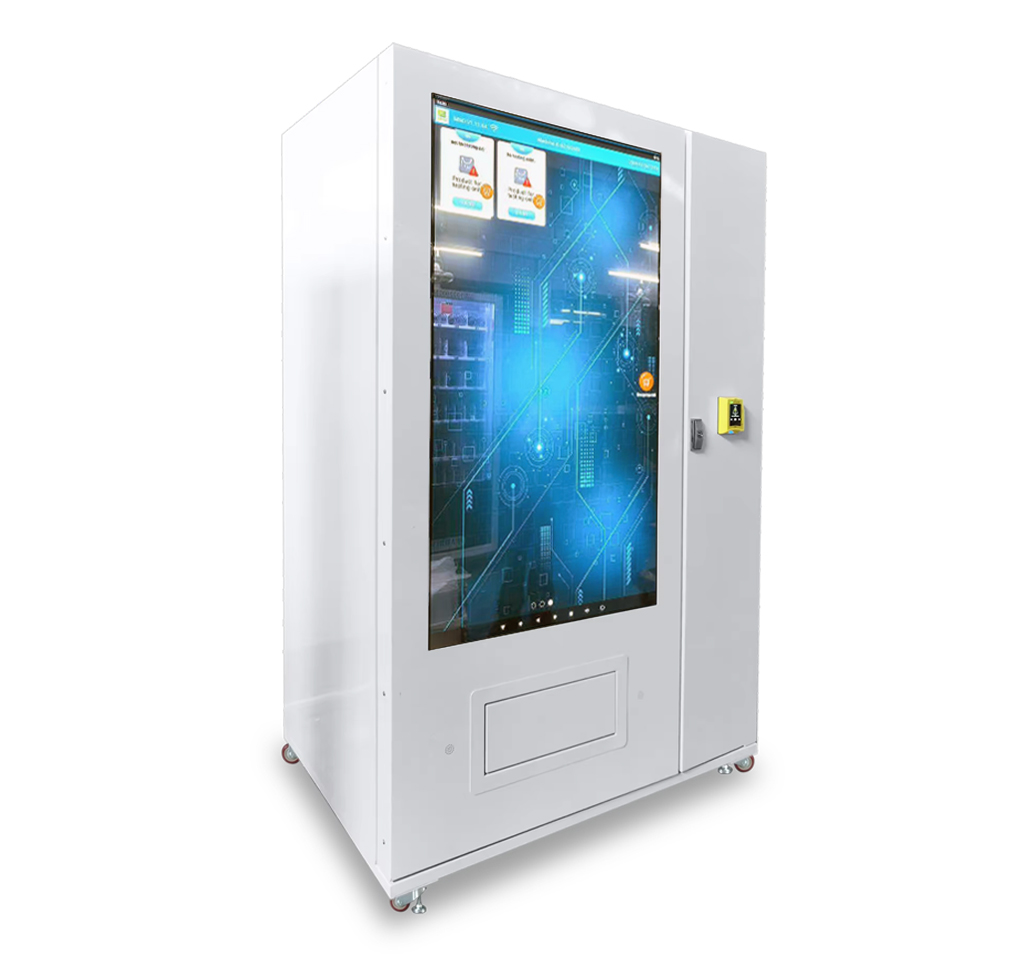
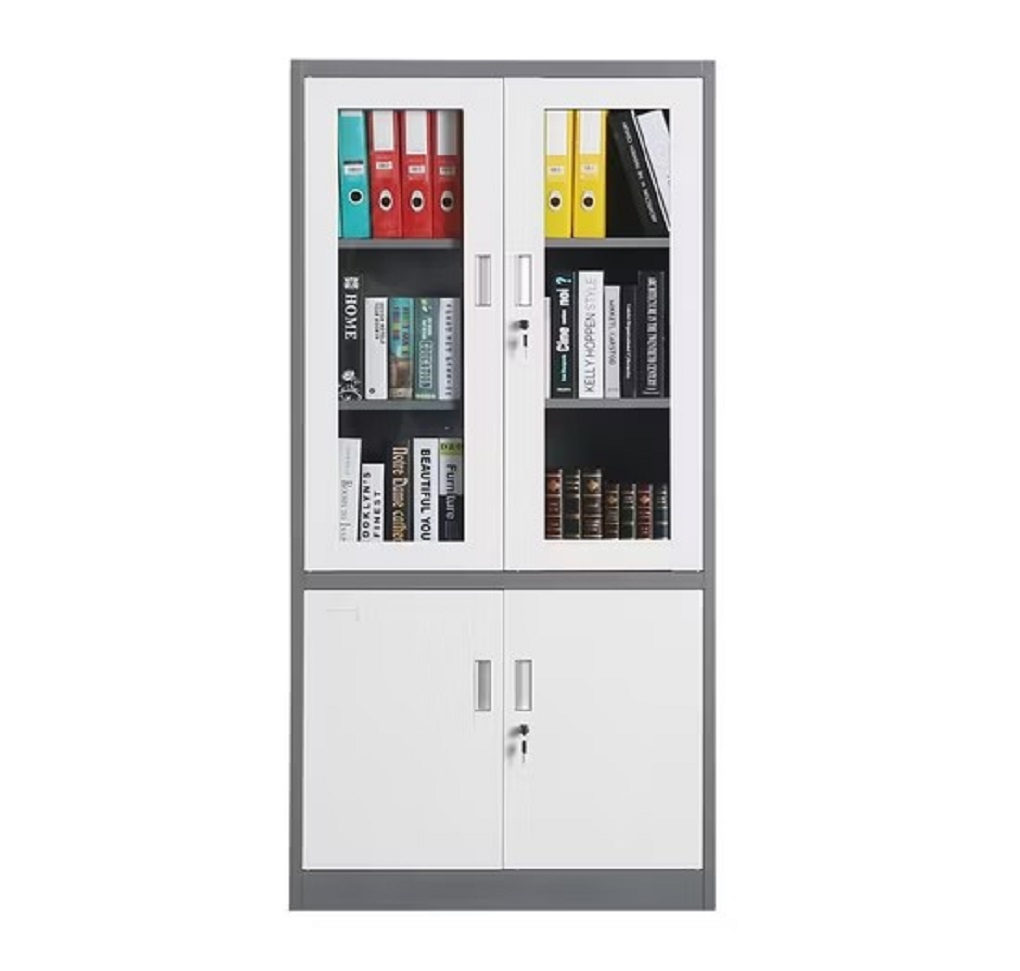
Our Contact
Minno Furtniture
Customize smart storage lockers,parcel delivery lockers, key management cabinet,Vending machines,Office/School and home furniture.
-
Call For Inquiry
-
Send Us Email
sales@buysmartlocker.com
Need Help For Project!
We are ready to help your next projects, let’s work together
 WhatsApp
 sales@buysmartlocker.com
 +8613213557186