

News
12
Aug
Investing in Vending Machines: A Smart Way to Build Passive Income in 2026
Introduction: Why Vending Machines Are Still One of the Most Accessible Investments Around
In a world where people are busier than ever and increasingly expect instant access to what they need, vending machines remain one of the simplest, most scalable business investments available. There's no storefront to lease, no team of employees to manage, and no fixed hours to staff — just a machine that quietly generates revenue whether you're actively working or not.
Below is a closer look at why vending machines continue to attract new investors and operators, what's changed with the technology behind them, and what actually determines whether a vending machine business succeeds.
1. Consumer Convenience Never Goes Out of Style
People's schedules aren't getting less hectic — they're getting busier. Whether it's a commuter grabbing a coffee before a train, an office worker needing a quick snack between meetings, or a gym-goer wanting a protein bar right after a workout, the underlying demand for instant, self-service access to everyday items isn't going anywhere.
A well-placed vending machine meets a need that already exists — it doesn't have to create demand, only capture it
Convenience-driven purchases tend to be less price-sensitive than planned shopping trips, which supports healthier margins on everyday items
This demand holds up across almost every type of location: offices, campuses, transit hubs, gyms, hospitals, and residential buildings all have people looking for a fast, no-friction purchase
2. Low Overhead Compared to Traditional Retail
One of the most attractive parts of a vending machine business is what it doesn't require compared to opening a physical store.
No monthly retail lease, no store buildout, and no ongoing utility costs tied to a storefront
No dedicated staff standing behind a register — a single operator can manage a route of multiple machines without the payroll burden of a traditional retail team
Maintenance is largely limited to periodic restocking, cleaning, and occasional servicing, rather than the daily operational overhead of running a staffed location
This lower cost structure is a major reason vending machines consistently post stronger profit margins per transaction than many traditional retail formats.
3. Revenue That Doesn't Stop When You Clock Out
A vending machine doesn't need you standing next to it to make a sale.
Machines operate 24/7, capturing sales during hours a staffed store simply couldn't justify keeping open — late nights, early mornings, weekends, and holidays
This turns otherwise "dead" hours into active revenue-generating time, without any additional labor cost attached to those hours
For operators managing multiple machines, this around-the-clock operation is what allows a single person to effectively run a business across several locations at once, since the machines themselves are doing the selling
4. A Far More Versatile Product Range Than People Expect
Vending machines today go well beyond the classic chips-and-soda combo, and that versatility opens up more placement opportunities than ever.
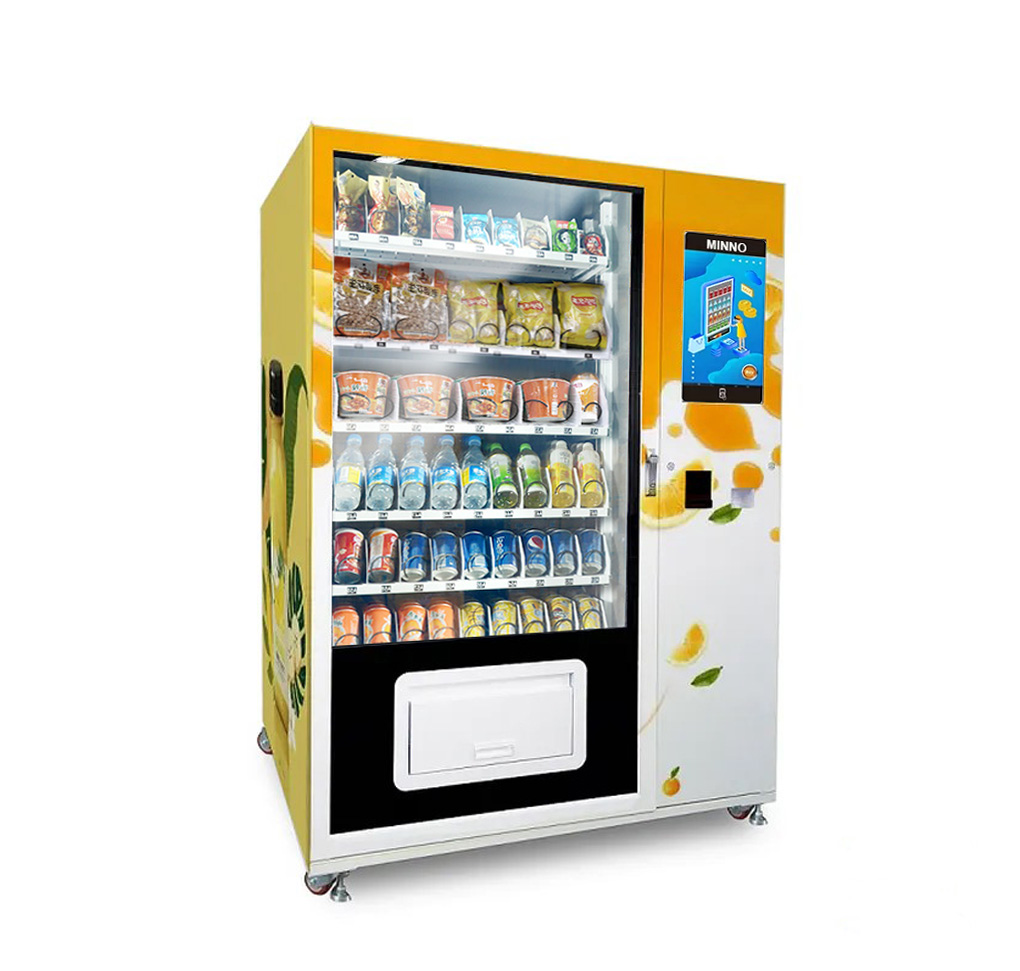
Snack and drink machines remain the reliable backbone of most vending operations, suited to virtually any high-traffic location
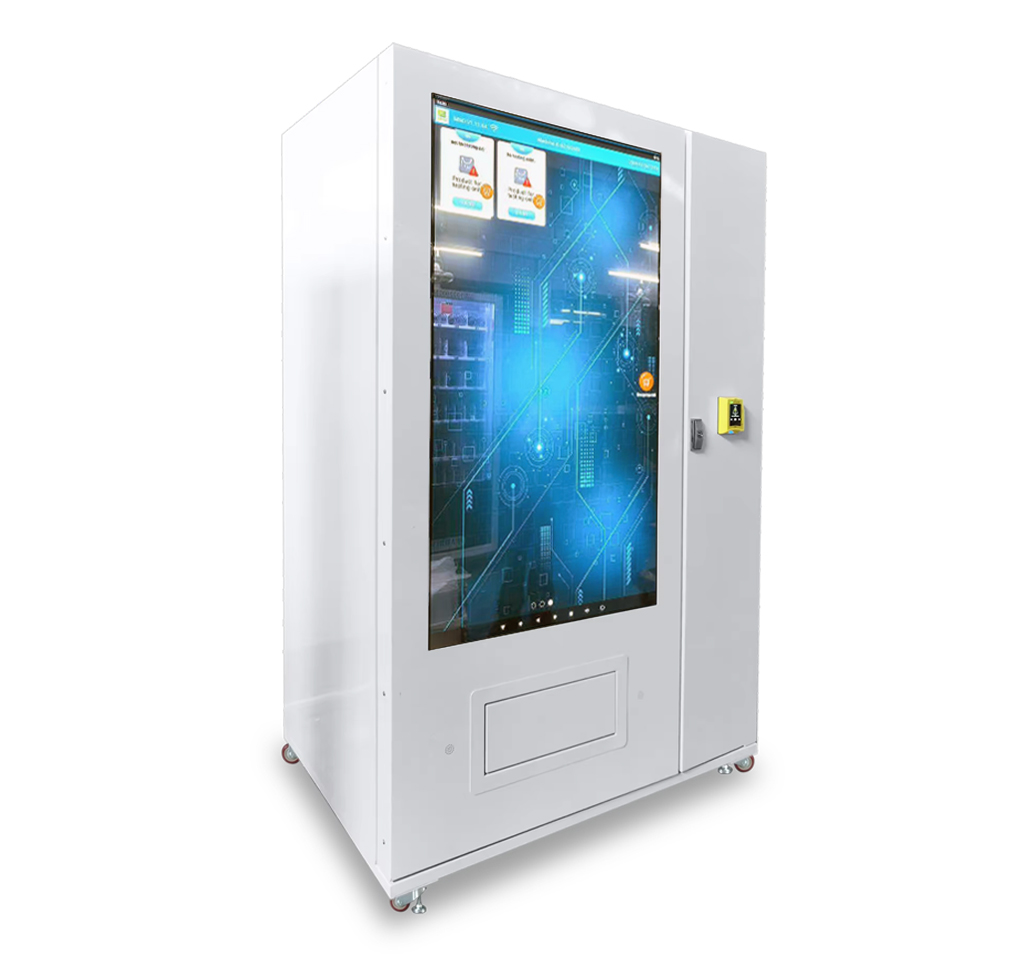
Coffee vending machines, including fully automatic units with AI-assisted brewing, serve the growing demand for on-demand, café-quality coffee without a staffed barista
Fresh food and cup-noodle vending machines meet demand in locations without a nearby cafeteria or restaurant — factories, dormitories, and transit hubs in particular
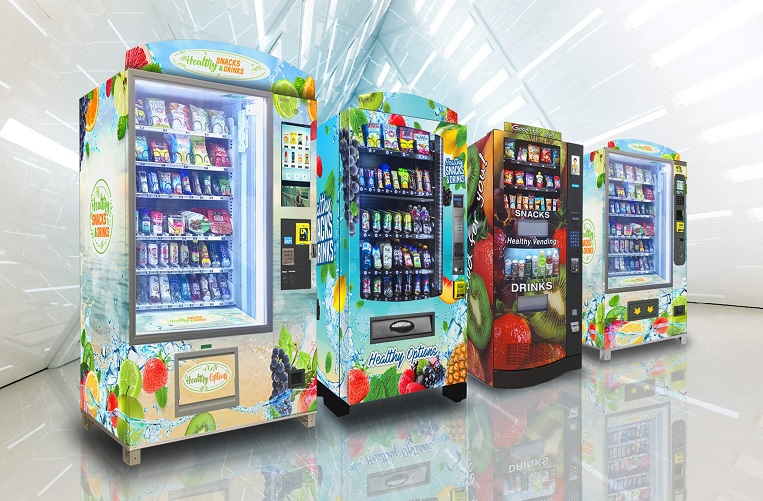
Fruit and healthy snack vending machines tap into a growing consumer preference for better-for-you options, especially in gyms, schools, and office wellness programs
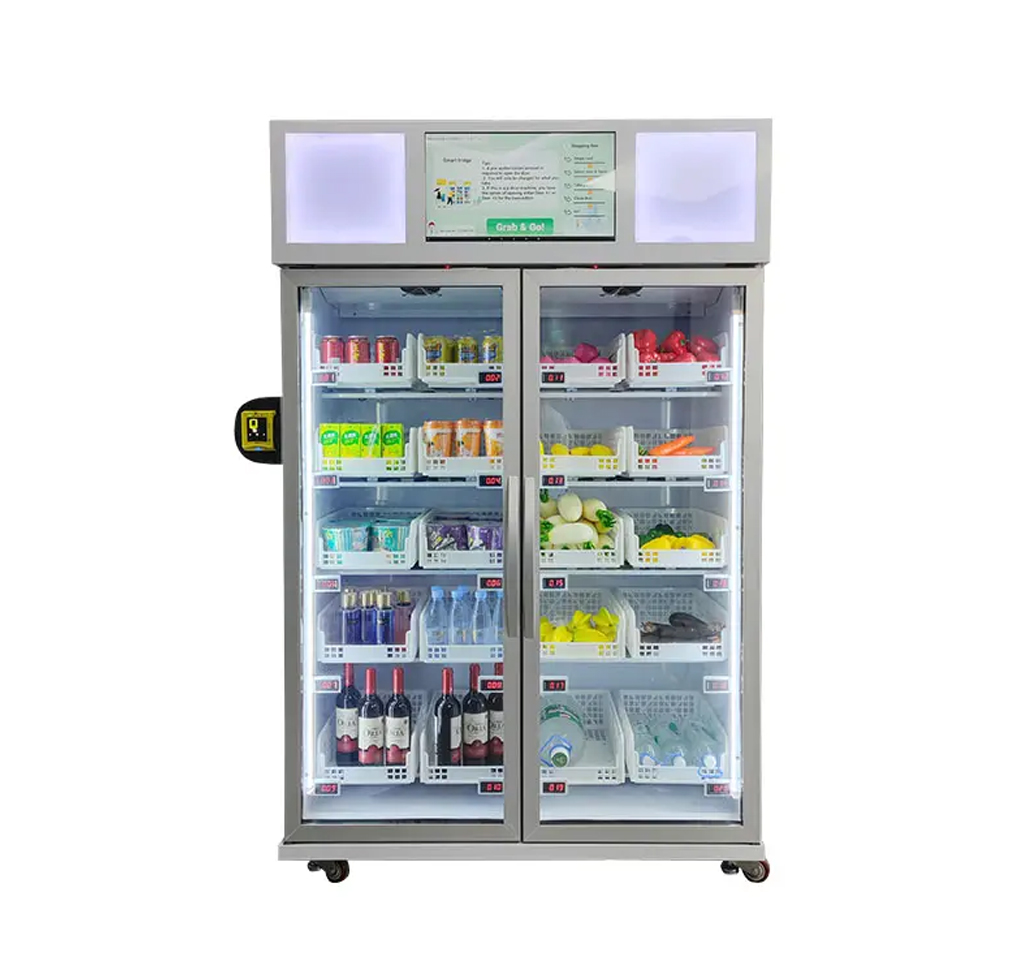
Smart fridge and specialty vending machines (health, beauty, PPE, and other niche categories) allow operators to diversify beyond food and drink entirely, opening up placement opportunities in retail, healthcare, and hospitality settings
The wider the product range you're able to offer, the more locations become viable — a location that doesn't need another snack machine might still be a strong fit for a coffee machine or a healthy-food option.
5. Smart Technology Has Changed What "Managing" a Vending Machine Means
The vending machine of ten years ago required a lot more guesswork than the vending machine of today.
Remote monitoring lets operators check inventory levels, sales data, and machine status from a phone or computer, without a physical visit to confirm what needs restocking
Cashless and mobile payment support removes the friction (and lost sales) of a coins-only machine, meeting customers where their actual payment habits already are
Sales data and reporting help operators identify which products are underperforming and adjust inventory accordingly, rather than restocking based on guesswork
Remote configuration and pricing adjustments allow operators to respond to demand patterns — adjusting product mix or pricing for a specific machine — without visiting the site in person
This shift from a purely mechanical box to a connected, data-driven piece of retail infrastructure is a major reason vending has become more profitable and easier to scale than it was a decade ago.
6. Placement Is Still the Single Biggest Driver of Success
Even the most advanced vending machine underperforms in the wrong spot. Strategic placement in high-traffic, high-need locations is what actually determines whether a machine turns a profit.
Offices and business parks — steady daily traffic and predictable break patterns make for reliable, recurring usage
Schools and universities — high foot traffic and a captive audience throughout the academic term
Gyms and fitness centers — a naturally receptive audience for drinks, snacks, and healthy options right when they're thinking about it
Hospitals — 24-hour operation matches the round-the-clock needs of staff, patients, and visiting families
Transit hubs and industrial parks — consistent, high-volume foot traffic tied to commuting or shift schedules
Choosing the right location for the right machine type is the difference between a machine that pays for itself quickly and one that sits underused.
7. Built for Scalable, Low-Risk Growth
Vending machines offer a rare combination in the world of small business investment: a low barrier to entry with a genuinely scalable growth path.
Most operators start with a single machine in a proven location, then reinvest profits into additional units rather than requiring a large upfront capital outlay
Each new machine is a relatively independent, low-risk addition — a slow-performing location can be adjusted or relocated without threatening the rest of the business
This incremental growth model lets operators scale a route from one machine to dozens over time, expanding at a pace that matches actual cash flow rather than requiring outside financing from day one
8. A Genuinely Low-Risk Investment Category
Compared to many small business ventures, vending machines carry a relatively predictable risk profile:
Operating costs are largely fixed and predictable — restocking, minor maintenance, and site fees (where applicable) — rather than fluctuating with the unpredictable overhead of a staffed retail location
Sales data makes it straightforward to identify underperforming products or locations early, and to adjust rather than absorb ongoing losses
The combination of low overhead, 24/7 operation, and flexible product offerings gives operators multiple ways to improve performance without needing to overhaul the entire business
Frequently Asked Questions
Is a vending machine business profitable in 2026?
Vending remains a viable, relatively low-overhead business model, particularly with modern machines offering cashless payment, remote monitoring, and a much wider product range than traditional snack-and-soda units. Profitability still depends heavily on placement and product mix, but the underlying economics — low staffing costs, 24/7 operation — remain favorable.
How much does it cost to start a vending machine business?
Costs vary significantly based on the number and type of machines (a basic snack machine costs less than a fully automatic coffee machine or a smart fridge unit), but most operators start with one or two machines in a strong location and scale gradually as revenue supports additional units.
What's the best type of vending machine to start with?
Snack and drink machines are typically the most versatile starting point, since they suit almost any high-traffic location. From there, many operators expand into coffee, fresh food, or specialty categories based on what a specific location's foot traffic actually wants.
How important is machine placement to vending machine profitability?
It's arguably the single most important factor. A high-quality, fully loaded machine in a low-traffic or poorly matched location will consistently underperform a simpler machine placed where genuine, recurring demand already exists.
Conclusion
Vending machines remain one of the most accessible ways to build steady, largely passive revenue — low overhead, round-the-clock operation, and a growing range of product categories mean there's rarely been a better time to get started. The keys to success haven't changed much: choose the right machine for the right location, take advantage of the smart technology now built into modern units, and scale gradually as your revenue supports it.
Ready to start or expand your vending machine business? Whether you're looking at drink, snack, food, fruit, cup-noodle, or coffee vending machines, contact our team to find the right configuration for your investment.
Contact Us
📞 Phone/WhatsApp: +86 132 1355 7186
📧 Email: sales@buysmartlocker.com
Our Contact
Minno Furtniture
Customize smart storage lockers,parcel delivery lockers, key management cabinet,Vending machines,Office/School and home furniture.
-
Call For Inquiry
-
Send Us Email
sales@buysmartlocker.com
Need Help For Project!
We are ready to help your next projects, let’s work together
 WhatsApp
 sales@buysmartlocker.com
 +8613213557186