

News
31
Aug
How Gravity-Sensing Vending Machines Are Changing the Smart Vending Industry | Minno
Ever wondered how some vending machines always seem to have cold drinks and fresh sandwiches ready, without ever running out — and without an operator visiting every single day? Chances are, they're powered by gravity-sensing vending machine technology, one of the fastest-growing innovations in the smart vending machine and unmanned retail industry.
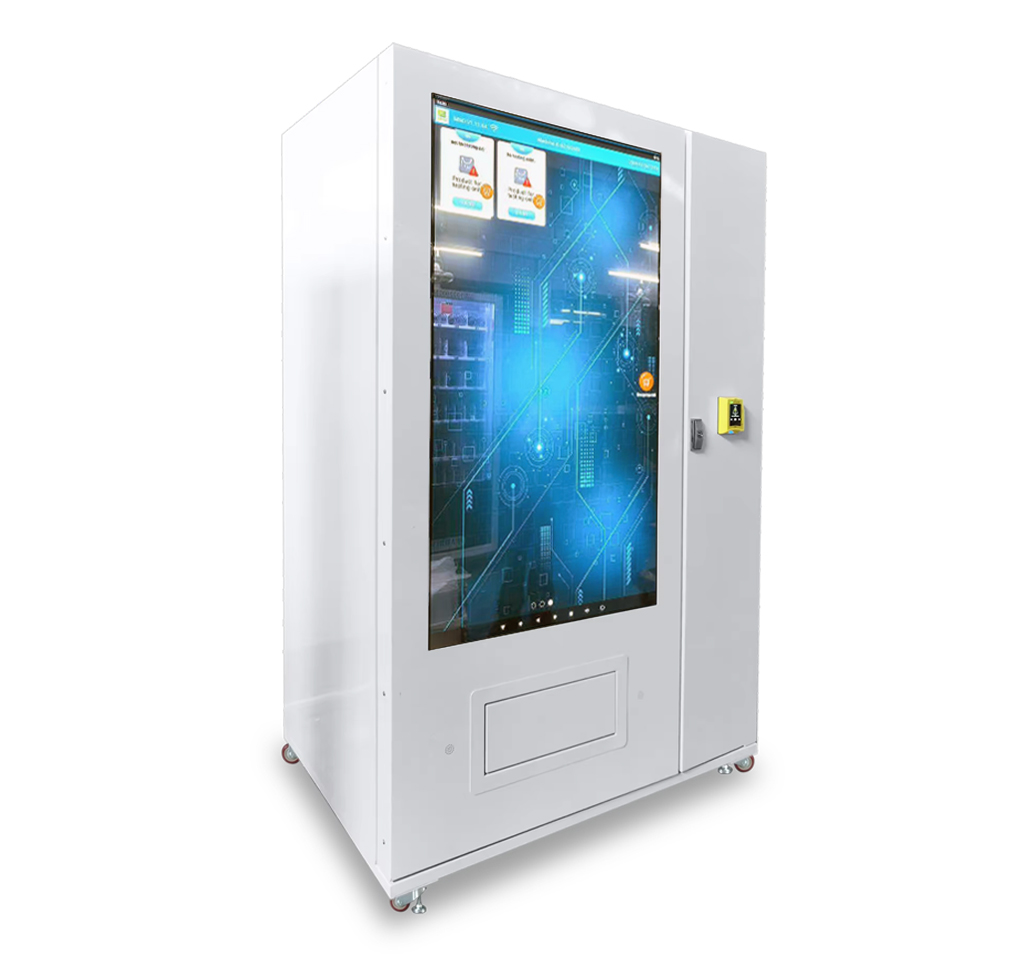
At Minno, we design and manufacture next-generation smart refrigerated vending machines that combine gravity-sensing shelves, AI-powered inventory tracking, and IoT remote monitoring to help vending operators, micro markets, and retail businesses run smarter, more profitable, and lower-maintenance vending fleets. In this article, we'll break down how gravity-sensing technology works, why it's becoming the new standard for fresh food vending machines and combo vending machines, and how Minno's smart vending solutions are helping businesses around the world modernize their vending operations.
What Is a Gravity-Sensing Vending Machine?
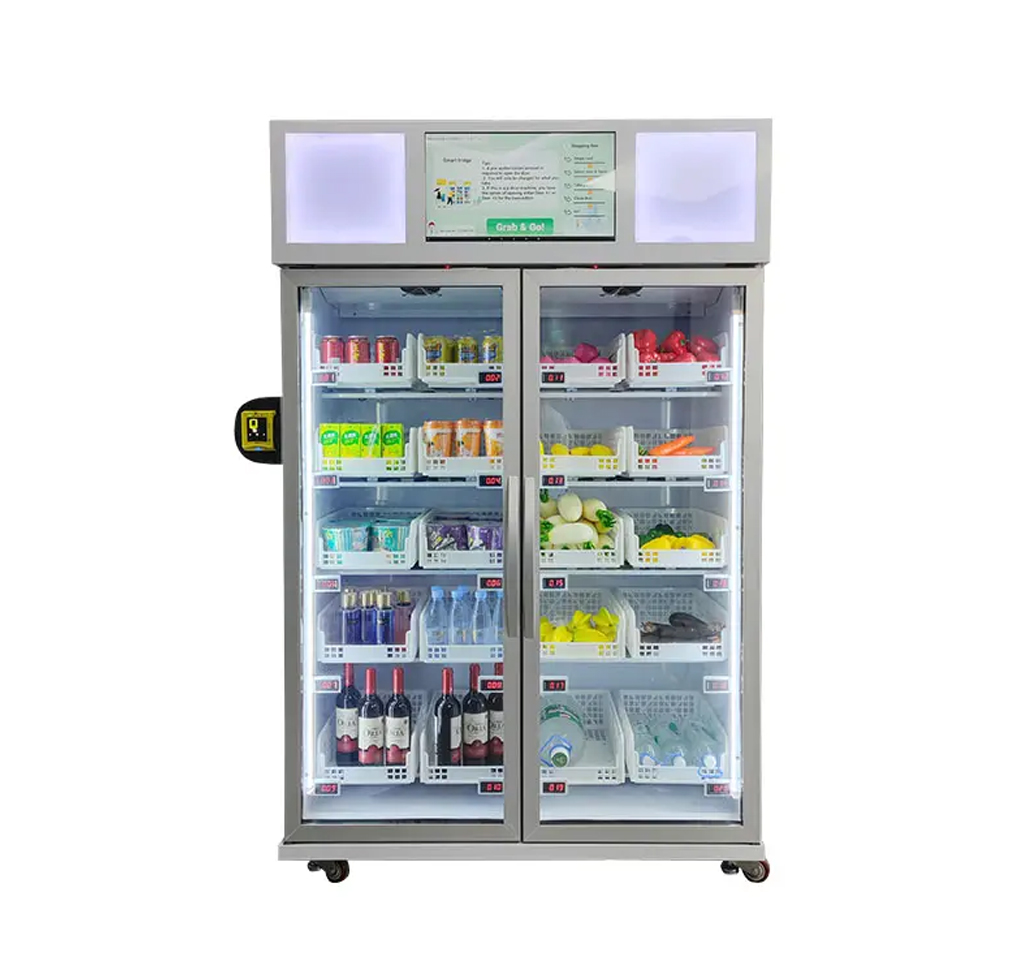
A gravity-sensing vending machine replaces the traditional spiral-coil vending mechanism with slightly tilted shelves. Instead of relying on motors, spirals, and mechanical arms to push products forward — a design prone to jams and breakdowns — gravity does the work. When a customer buys an item, the next product simply slides forward into position, ready for the next purchase.
This simple mechanical shift has a major impact:
Fewer moving parts means fewer mechanical failures and lower maintenance costs
Smoother product dispensing for bottles, cans, sandwiches, salads, snacks, and fresh food items
Better reliability in high-traffic, high-turnover vending locations
Compatibility with irregularly shaped products, unlike rigid spiral coils
How Gravity-Sensing Technology Works with Smart Inventory Tracking
The real innovation isn't just the tilted shelf — it's the smart sensor system underneath. Each shelf in a Minno gravity-sensing vending machine is equipped with precision weight and infrared sensors that track exactly how many items remain, in real time.
When a yogurt, salad, sandwich, or beverage is sold, the system instantly updates inventory data and syncs it to a cloud-based vending management platform. This gives vending operators:
Real-time inventory visibility across every machine in their network
Automated low-stock alerts, eliminating guesswork on restocking schedules
Sales and consumption analytics to optimize product mix by location
Remote diagnostics, so technical issues can often be identified before a truck ever needs to roll
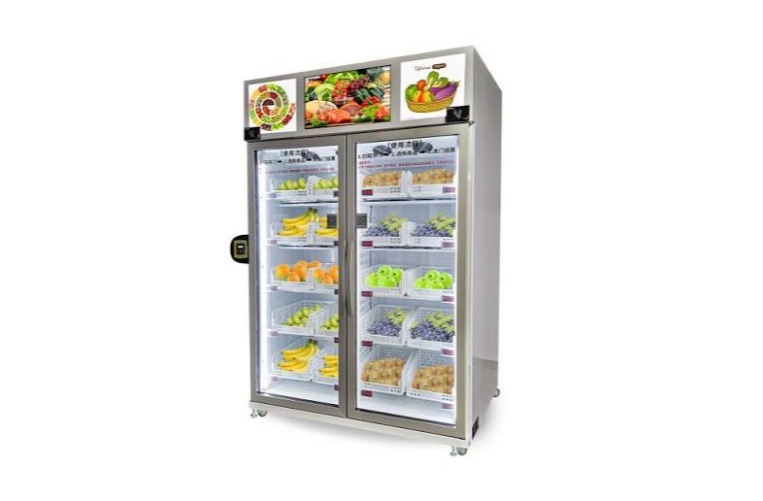
For fresh food vending, this level of precision is critical. Keeping drinks and snacks cold is only part of the challenge — knowing exactly what's running low, without physically checking every unit every day, is what actually saves labor hours and cuts spoilage and food waste.
Why Gravity-Sensing Refrigerated Vending Machines Are Gaining Popularity
Gravity-sensing refrigerated vending machines are now showing up in a wide range of high-traffic environments, including:
Gyms and fitness centers
Universities and college campuses
Hospitals and healthcare facilities
Train stations and transit hubs
Office buildings and corporate campuses
Factories and industrial break rooms
Micro markets and 24/7 unmanned stores
These locations all share the same needs: reliable cooling, minimal downtime, and a "grab-and-go" experience that doesn't require queuing. A well-designed combo vending machine or fresh food vending machine with gravity-sensing shelves checks all three boxes at once.
The Business Case: Why Vending Operators Are Upgrading
For vending operators and micro-market businesses, the ROI of a smart gravity-sensing vending machine comes from three main areas:
Reduced service trips — Remote monitoring means routes are optimized around actual demand, not guesswork or fixed schedules, cutting fuel and labor costs.
Lower repair costs — Fewer moving mechanical parts translate directly into fewer breakdowns and service calls over the machine's lifetime.
Less spoilage and waste — Accurate, real-time stock tracking means fresh food and perishable items are replaced exactly when needed, not too early (waste) or too late (empty machine, lost sales).
While a smart vending machine with gravity-sensing shelves typically carries a higher upfront investment than a basic mechanical unit, most operators find it pays for itself through reduced waste, reduced maintenance, and higher uptime — resulting in a better long-term return on investment.
About Minno: A Trusted Smart Vending Machine Manufacturer
Minno is a smart vending machine manufacturer focused on helping businesses modernize unmanned retail through reliable hardware and intelligent technology. We design, engineer, and manufacture a full range of vending solutions, including:
Gravity-sensing refrigerated vending machines
Fresh food and salad vending machines
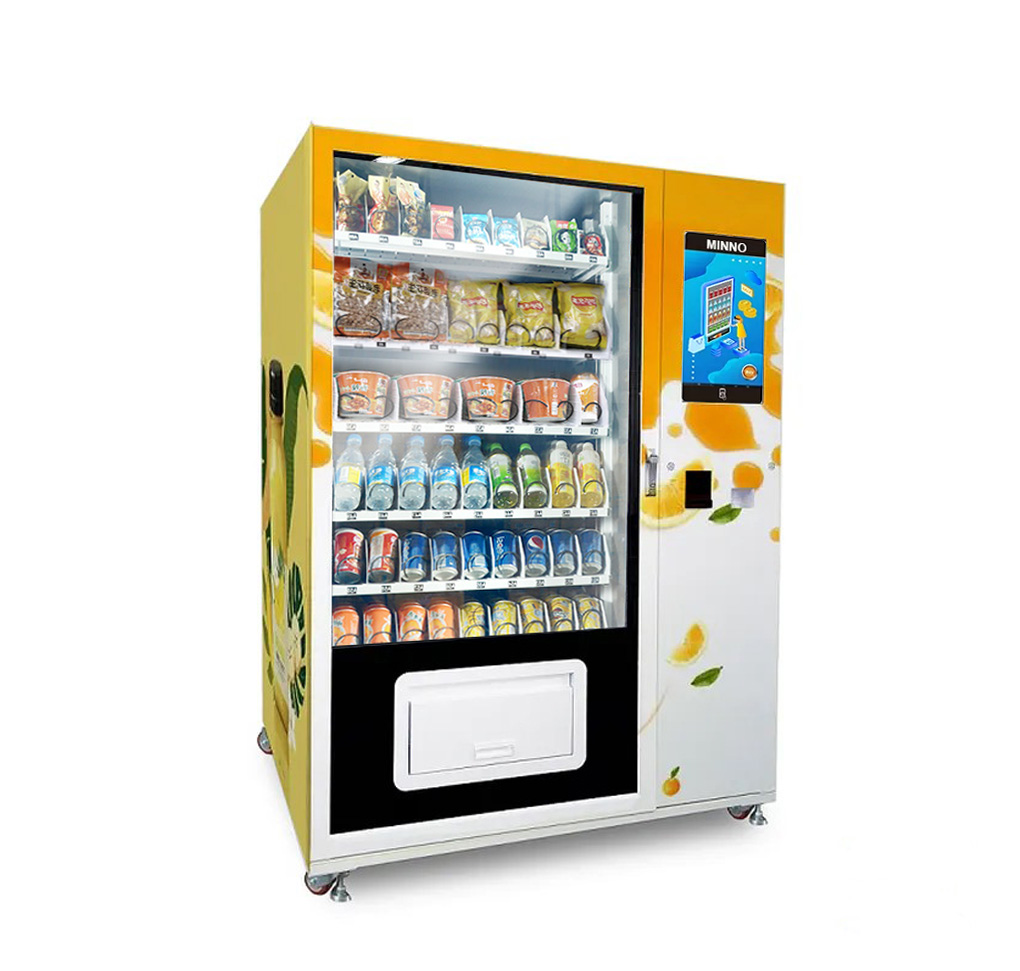
Combo (snack + drink) vending machines
Smart micro market equipment
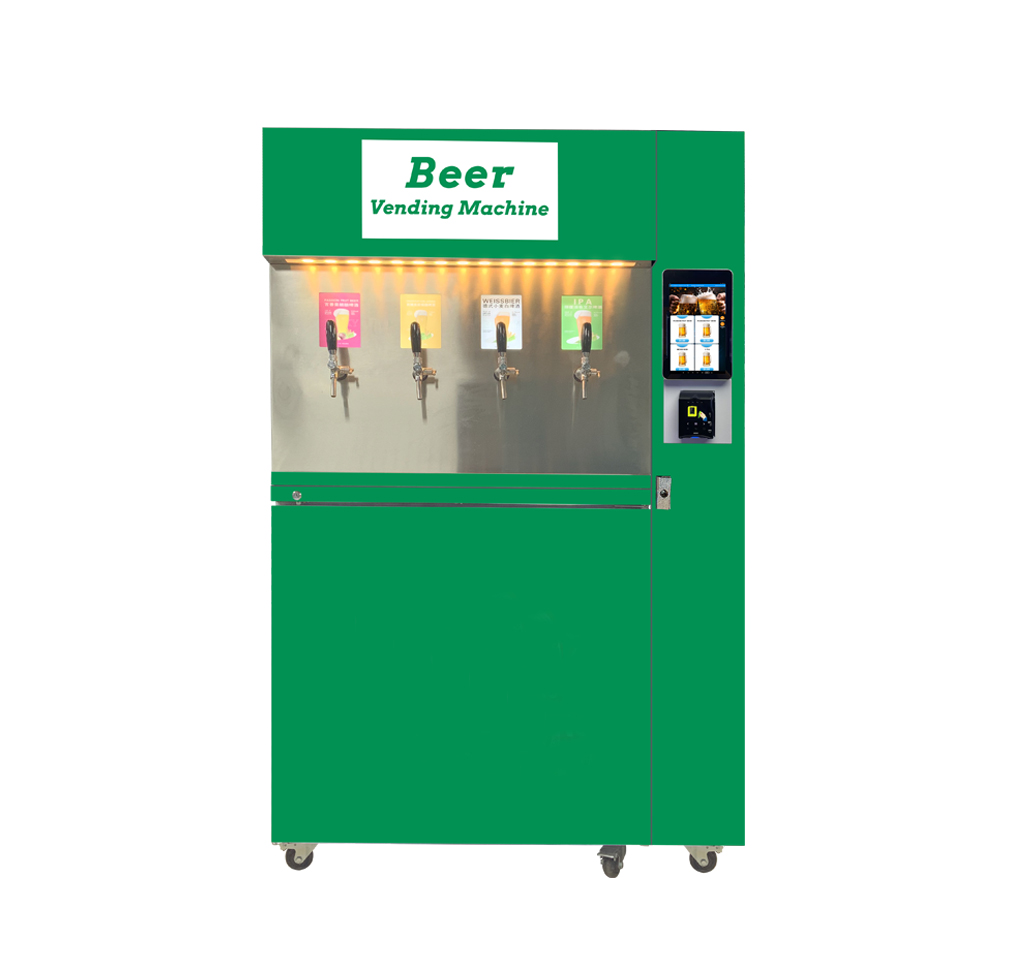
Beverage and frozen food vending machines
Our mission is simple: build vending machines that operators can trust to run reliably, with the smart technology needed to reduce operating costs and maximize uptime. Every Minno machine is engineered with a focus on three things that matter most to our customers — reliability, remote manageability, and total cost of ownership.
Whether you're a vending route operator, a workplace micro-market provider, or a retail brand exploring unmanned retail for the first time, Minno's engineering and support team works with you from equipment selection through deployment and ongoing operation.
Minno's Product Advantages
1. Precision Gravity-Sensing Shelf System
Our proprietary shelf design combines optimized tilt angles with high-precision sensors, ensuring smooth product dispensing for everything from canned beverages to fresh sandwiches, without jams or misfires.
2. Real-Time Cloud Inventory Management
Every Minno smart vending machine connects to a cloud dashboard, giving operators live visibility into stock levels, sales trends, and machine health — from a phone, tablet, or computer, anywhere in the world.
3. Energy-Efficient Refrigeration
Minno's refrigerated vending machines are built with high-efficiency compressors and insulated cabinets to maintain consistent, food-safe temperatures while minimizing energy consumption — important for both cost control and sustainability goals.
4. Modular, Low-Maintenance Design
With fewer mechanical components than traditional spiral vending machines, Minno units are designed for easy servicing, quick part replacement, and long-term reliability in high-traffic environments.
5. Remote Monitoring & Predictive Alerts
Built-in IoT connectivity allows our machines to send automated alerts for low stock, temperature fluctuations, or technical issues — helping operators respond proactively instead of reactively.
6. Flexible Configurations
From compact combo vending machines to large-capacity fresh food and micro-market fridges, Minno offers configurable shelf layouts, screen sizes, and payment system integrations (cashless, mobile pay, card readers) to match different locations and business models.
7. Scalable Fleet Management
Whether you're operating five machines or five hundred, Minno's back-end platform is built to scale, giving multi-location operators a single, unified view of their entire vending network.
Frequently Asked Questions (FAQ)
Q1: What makes a gravity-sensing vending machine different from a traditional vending machine?A traditional vending machine uses motorized spirals or push mechanisms to dispense products, which can jam or misfire. A gravity-sensing vending machine uses tilted shelves so items slide forward naturally when purchased, combined with sensors that track inventory in real time. This means fewer mechanical failures and more accurate stock data.
Q2: Can gravity-sensing vending machines keep food and drinks cold?Yes. Minno's gravity-sensing vending machines are built as refrigerated units, using energy-efficient cooling systems designed to maintain consistent, food-safe temperatures for beverages, dairy, salads, sandwiches, and other perishable items.
Q3: How does remote inventory monitoring actually help my business?Remote monitoring gives you a live view of what's in stock across every machine, so you only restock when it's actually needed. This reduces unnecessary service trips, prevents products from expiring on the shelf, and helps avoid lost sales from out-of-stock machines.
Q4: What locations are best suited for a fresh food vending machine?High-traffic locations with limited food options nearby tend to perform best — gyms, universities, hospitals, transit stations, and office buildings are among the most common and successful placements for fresh food and combo vending machines.
Q5: Is a smart gravity-sensing vending machine worth the higher upfront cost?For most operators, yes. While the initial investment is higher than a basic mechanical vending machine, the combination of lower maintenance costs, reduced spoilage, and optimized restocking routes typically allows the machine to pay for itself over its operating life, while also improving the customer experience.
Q6: Does Minno offer support for setting up a vending machine fleet?Yes. Minno works with vending operators and micro-market businesses from initial equipment selection through deployment, remote platform setup, and ongoing technical support, whether you're launching your first machine or scaling a large multi-location fleet.
Q7: What payment systems are compatible with Minno vending machines?Minno smart vending machines support flexible payment integrations, including cashless and mobile payment options and card readers, allowing operators to match the payment experience to their specific market and customer base.
Related Reading
How to Choose the Right Smart Vending Machine for Your Business (2026 Buyer's Guide)
Micro Markets vs. Vending Machines: Which Unmanned Retail Model Is Right for You?
Looking to upgrade your vending fleet with smart, gravity-sensing technology?Explore Minno's full lineup of smart refrigerated vending machines and combo vending machines, or contact our team to find the right configuration for your business.
Our Contact
Minno Furtniture
Customize smart storage lockers,parcel delivery lockers, key management cabinet,Vending machines,Office/School and home furniture.
-
Call For Inquiry
-
Send Us Email
sales@buysmartlocker.com
Need Help For Project!
We are ready to help your next projects, let’s work together
 WhatsApp
 sales@buysmartlocker.com
 +8613213557186